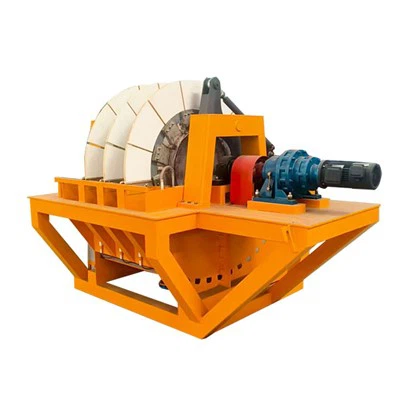
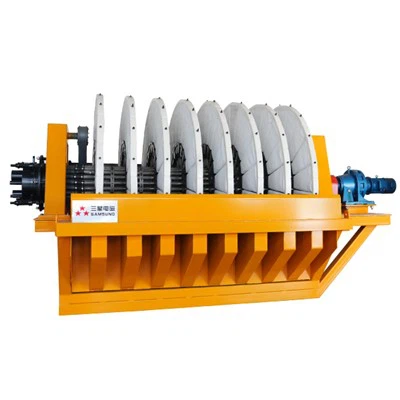
Hey there! As a supplier of Rotary Disc Filters, I often get asked if these filters can be used for the filtration of abrasive particles. It's a great question, and today, I'm gonna dive deep into this topic to give you all the info you need.

First off, let's understand what abrasive particles are. Abrasive particles are hard, rough materials that can cause wear and tear on surfaces they come into contact with. Examples include sand, metal shavings, and certain types of minerals. When it comes to filtration, dealing with these abrasive particles can be a real challenge.
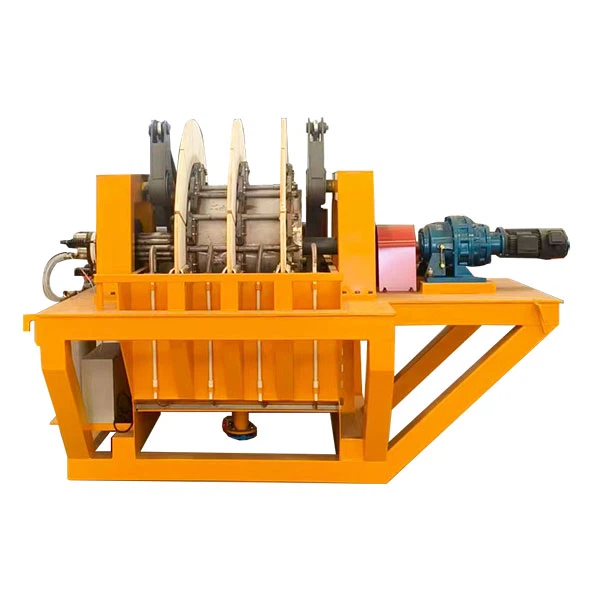
Now, let's talk about Rotary Disc Filters. These filters are pretty nifty pieces of equipment. They work by using a series of rotating discs that are coated with a filter medium. As the discs rotate through the slurry or liquid that needs to be filtered, the filter medium traps the solid particles while allowing the liquid to pass through.
So, can a Rotary Disc Filter handle abrasive particles? The short answer is yes, but there are some important factors to consider.
Material of the Filter Medium
The filter medium is a critical component when it comes to filtering abrasive particles. If the filter medium isn't tough enough, it can quickly get worn out by the abrasive particles. That's why we often recommend using filter media made from materials like polypropylene or polyester. These materials are known for their durability and resistance to abrasion. They can withstand the constant rubbing and scraping of the abrasive particles without breaking down easily.
Design of the Rotary Disc Filter
The design of the Rotary Disc Filter also plays a crucial role in its ability to filter abrasive particles. For example, the spacing between the discs needs to be carefully considered. If the spacing is too small, the abrasive particles can get stuck between the discs, causing blockages and reducing the efficiency of the filter. On the other hand, if the spacing is too large, the particles may not be properly captured by the filter medium.
Another important design feature is the way the discs rotate. A smooth and consistent rotation helps to ensure that the abrasive particles are evenly distributed across the filter medium. This prevents excessive wear in one area and helps to extend the lifespan of the filter.
Operating Conditions
The operating conditions of the Rotary Disc Filter can also affect its performance when filtering abrasive particles. For instance, the flow rate of the slurry or liquid being filtered is important. If the flow rate is too high, the abrasive particles may not have enough time to be captured by the filter medium. This can lead to poor filtration efficiency and increased wear on the filter.
The temperature and pH of the slurry or liquid can also have an impact. Some abrasive particles may react with the filter medium under certain temperature or pH conditions, causing it to degrade more quickly. That's why it's important to monitor and control these operating conditions to ensure optimal performance.
Advantages of Using a Rotary Disc Filter for Abrasive Particle Filtration
Despite the challenges, there are several advantages to using a Rotary Disc Filter for filtering abrasive particles.
High Filtration Efficiency
Rotary Disc Filters are known for their high filtration efficiency. They can effectively remove a large percentage of the abrasive particles from the slurry or liquid, even at high flow rates. This helps to ensure that the final product is clean and free from contaminants.
Continuous Operation
These filters can operate continuously, which is a big plus when dealing with large volumes of slurry or liquid. This means that you can keep your production process running smoothly without having to stop and clean the filter frequently.
Low Maintenance
Compared to some other types of filters, Rotary Disc Filters generally require less maintenance. As long as the filter medium is replaced regularly and the operating conditions are properly monitored, the filter can run for long periods of time without major issues.
Comparison with Other Types of Filters
When it comes to filtering abrasive particles, it's worth comparing Rotary Disc Filters with other types of filters.
Disc Vacuum Filter
A Disc Vacuum Filter is another option for filtering abrasive particles. It uses a vacuum to draw the liquid through the filter medium, which can be effective for capturing fine abrasive particles. However, Disc Vacuum Filters can be more complex and expensive to operate compared to Rotary Disc Filters. They also require a reliable vacuum source, which can add to the overall cost.
Ceramic Disc Filter
Ceramic Disc Filters are known for their high chemical resistance and durability. They can be a good choice for filtering abrasive particles in harsh chemical environments. However, ceramic filters can be brittle and prone to cracking, especially when exposed to sudden changes in temperature or pressure. Rotary Disc Filters, on the other hand, are generally more flexible and can handle a wider range of operating conditions.
Rotary Vacuum Disc Filter
A Rotary Vacuum Disc Filter combines the features of a Rotary Disc Filter and a vacuum filter. It uses a vacuum to enhance the filtration process, which can improve the efficiency of capturing abrasive particles. However, like Disc Vacuum Filters, Rotary Vacuum Disc Filters can be more complex and expensive to operate.
Real - World Applications
There are many real - world applications where Rotary Disc Filters are used for filtering abrasive particles.
Mining Industry
In the mining industry, Rotary Disc Filters are commonly used to separate abrasive minerals from the slurry. For example, in gold mining, the filter can be used to remove sand and other abrasive particles from the gold - bearing slurry. This helps to purify the gold and improve the overall quality of the final product.
Metalworking Industry
In the metalworking industry, Rotary Disc Filters are used to filter metal shavings and other abrasive particles from cutting fluids. This helps to extend the lifespan of the cutting tools and improve the surface finish of the machined parts.
Conclusion
So, to sum it up, a Rotary Disc Filter can definitely be used for the filtration of abrasive particles. With the right filter medium, design, and operating conditions, it can effectively remove abrasive particles from slurries and liquids. It offers several advantages over other types of filters, including high filtration efficiency, continuous operation, and low maintenance.
If you're in the market for a filter to handle abrasive particles, I'd highly recommend considering a Rotary Disc Filter. We have a wide range of Rotary Disc Filters available, and our team of experts can help you choose the right one for your specific application. Whether you're in the mining, metalworking, or any other industry that deals with abrasive particles, we've got you covered.
If you're interested in learning more about our Rotary Disc Filters or want to discuss your filtration needs, don't hesitate to reach out. We're here to help you find the best filtration solution for your business.
References
- Smith, J. (2020). Filtration Technology for Industrial Applications. Publisher: Industrial Press.
- Johnson, A. (2019). Abrasive Particle Filtration: Challenges and Solutions. Journal of Filtration Science, 15(2), 45 - 56.