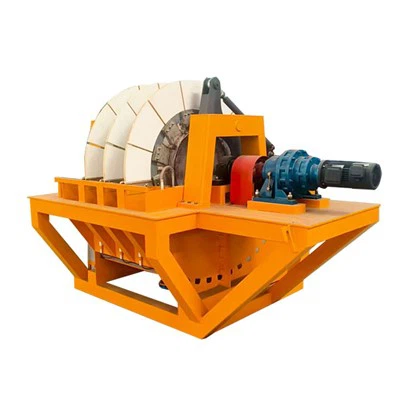
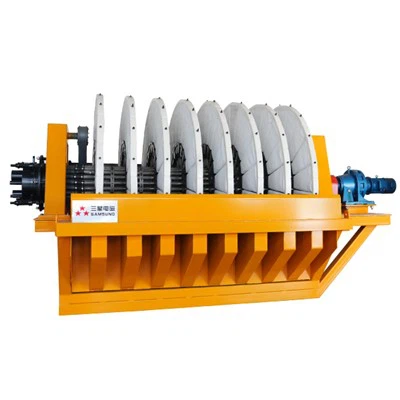
Yo, what's up, everyone! I'm a supplier of GJT - B Metal Detectors, and I've been getting a lot of questions lately about the detection range of these bad boys. So, I thought I'd sit down and write this blog to clear things up for you all.
First off, let's talk a bit about what GJT - B Metal Detectors are. They're top - notch devices designed to find all sorts of metals in different settings. Whether you're in a factory trying to keep your products metal - free or out in the field looking for hidden treasures, these detectors are up for the task. You can check out more details about them on this page: GJT - B Metal Detectors.
The detection range of GJT - B Metal Detectors is pretty impressive, but it varies depending on a few key factors. These factors include the type of metal you're trying to detect, the size of the metal object, and the environment in which you're using the detector.
Types of Metals
Metals can be broadly classified into ferrous, non - ferrous, and stainless steel. Ferrous metals, like iron and steel, are magnetic, which makes them relatively easy to detect. GJT - B Metal Detectors can pick up small ferrous objects from a decent distance. For example, a small iron nail might be detected from a few inches away, while larger ferrous items, like a steel bar, can be detected from a foot or more.
Non - ferrous metals, such as aluminum, copper, and brass, don't have magnetic properties. Detecting these metals can be a bit more challenging, but GJT - B Metal Detectors are still up to the task. The detection range for non - ferrous metals is usually slightly less than that of ferrous metals, but it's still quite good. For instance, a small aluminum coin can be detected from a couple of inches away, and larger pieces of non - ferrous metal can be detected from a greater distance.
Stainless steel falls into a bit of a gray area. Some types of stainless steel are magnetic, while others are not. The magnetic ones are easier to detect, similar to ferrous metals. The non - magnetic stainless steel might require the detector to be closer to the object to pick it up. However, GJT - B Metal Detectors are engineered to handle these differences and can still provide reliable detection. If you're interested in a detector specialized for magnetic minerals, you can check out the Magnetic Mineral Metal Detector.
Size of the Metal Object
This is a no - brainer. The bigger the metal object, the farther away it can be detected. A large metal pipe can be detected from a much greater distance than a tiny metal screw. GJT - B Metal Detectors are calibrated to detect objects of different sizes effectively. For small objects, the detection range might be limited to a few inches, while for large industrial - sized metal pieces, the range can extend to several feet.
Environmental Factors
The environment where you use the detector plays a huge role in determining its detection range. In an open, flat area with no interference, the detector can work at its best. But if you're in an area with a lot of metal around, like a junkyard or a factory floor full of machinery, the detection range can be affected. The background metal can cause false signals and reduce the effective range of the detector. Similarly, if the ground contains a high concentration of minerals, it can also impact the detector's performance.
In a clean, dry, and metal - free environment, the GJT - B Metal Detectors can reach their maximum potential in terms of detection range. However, in real - world scenarios, you might need to make some adjustments. Some models of GJT - B Metal Detectors come with features like sensitivity adjustment, which allows you to fine - tune the detector according to the environment you're in.
Special Applications
GJT - B Metal Detectors are versatile and can be used in many different industries. One common application is in the food industry, where they're used on Belt Conveyor Metal Detectors. In this case, the detection range is set to ensure that any metal contaminants in the food products are detected before they reach the end - consumer. The range is usually adjusted to be just enough to cover the width of the conveyor belt and a small margin above and below it, depending on the size of the food packages.
In the mining industry, these detectors are used to find valuable metal ores. The detection range here can be adjusted based on the depth at which the ores are expected to be found. For surface - level ores, the detector can be set to a shorter range, while for deeper deposits, the sensitivity can be increased to detect metals from a greater distance.


How to Maximize the Detection Range
If you want to get the most out of your GJT - B Metal Detector, here are a few tips. First, make sure the detector is properly calibrated. This can usually be done using the built - in calibration settings on the device. Second, keep the detector clean. Dust and debris can interfere with its performance. Third, adjust the sensitivity according to the environment and the type of metal you're trying to detect.
Conclusion
So, to sum it up, the detection range of GJT - B Metal Detectors is influenced by the type of metal, the size of the object, and the environment. While there's no one - size - fits - all answer to how far these detectors can reach, they're designed to provide reliable detection in a wide range of situations.
If you're in the market for a high - quality metal detector, GJT - B Metal Detectors are definitely worth considering. They offer great performance, versatility, and the ability to adjust to different environments. If you have any questions or are interested in purchasing, don't hesitate to reach out. Let's have a chat about how these detectors can meet your specific needs.
References
- Manufacturer's documentation on GJT - B Metal Detectors
- Industry reports on metal detector performance and applications