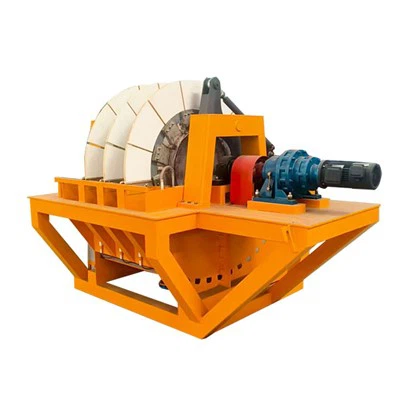
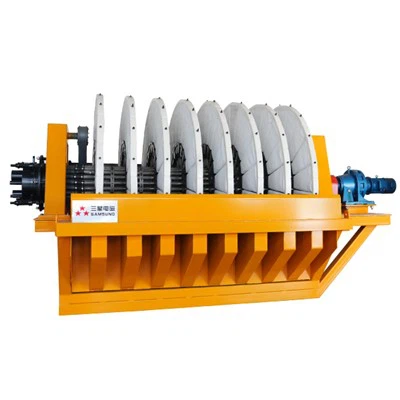
When it comes to the operation of a Permanent Magnetic Dry Separator, ensuring the safety of operators is of paramount importance. As a supplier of Permanent Magnetic Dry Separators, I understand the critical role that safety plays in the efficient and reliable use of our equipment. In this blog post, I will share some key strategies and best practices to help operators stay safe while using our Permanent Magnetic Dry Separators.
Pre - operation Safety Checks
Before starting the Permanent Magnetic Dry Separator, a series of pre - operation safety checks should be carried out. First, visually inspect the equipment for any signs of damage, such as cracks in the housing, loose bolts, or frayed wires. A damaged separator can pose significant risks to operators, including electrical hazards and mechanical failures.
Next, check the magnetic field strength. A proper magnetic field is essential for the separator's performance, but an abnormal magnetic field can also indicate underlying problems. Use a magnetic field meter to measure the strength at different points of the separator. If the readings deviate from the normal range, it may be necessary to consult a technician for further inspection.
Verify the operation of all safety devices. This includes emergency stop buttons, safety guards, and interlock systems. The emergency stop button should be easily accessible and in good working condition. Safety guards should be securely in place to prevent operators from coming into contact with moving parts. Interlock systems are designed to prevent the separator from operating when certain safety conditions are not met, such as when a guard is open.
Operator Training
Proper training is the cornerstone of operator safety. All operators should receive comprehensive training on the operation, maintenance, and safety procedures of the Permanent Magnetic Dry Separator. The training should cover theoretical knowledge, such as the working principle of the separator, as well as practical skills, such as how to start, stop, and troubleshoot the equipment.
During the training, operators should learn about the potential hazards associated with the separator. These hazards may include magnetic interference, which can affect electronic devices and pacemakers, and mechanical hazards from moving parts. They should also be taught how to use personal protective equipment (PPE) correctly. PPE for operating a Permanent Magnetic Dry Separator may include safety glasses, gloves, and ear protection.
Regular refresher courses should be provided to keep operators updated on the latest safety information and best practices. This is especially important as new technologies and safety standards are constantly emerging.
Workplace Safety
Creating a safe workplace environment is crucial for operator safety. The area around the Permanent Magnetic Dry Separator should be kept clean and free of clutter. Tools and materials should be stored properly to prevent tripping hazards.
Ensure proper ventilation in the workplace. The operation of the separator may generate dust and fumes, which can be harmful to operators' health. Adequate ventilation systems should be installed to remove these contaminants from the air.
Mark the safety zones clearly. There should be a designated area for operators to stand during the operation of the separator, which is far enough away from the moving parts and high - magnetic - field areas. Warning signs should be posted to indicate potential hazards.
Equipment Maintenance
Regular maintenance of the Permanent Magnetic Dry Separator is essential for both performance and safety. A well - maintained separator is less likely to malfunction, reducing the risk of accidents.
Establish a maintenance schedule. This should include daily, weekly, monthly, and annual maintenance tasks. Daily maintenance may involve checking the lubrication levels of moving parts and cleaning the separator's surface. Weekly maintenance could include inspecting the belts and chains for wear and tear. Monthly maintenance may involve more in - depth checks, such as testing the electrical components. Annual maintenance should be carried out by a professional technician, who can perform a comprehensive inspection and calibration of the separator.
Keep detailed maintenance records. This helps to track the history of the equipment's maintenance, identify recurring problems, and plan for future maintenance tasks.
Handling Emergencies
Despite all the preventive measures, emergencies can still occur. Operators should be trained on how to handle emergencies effectively. This includes knowing how to activate the emergency stop button immediately in case of an accident or malfunction.
Have an emergency response plan in place. The plan should outline the steps to be taken in case of different types of emergencies, such as fires, electrical failures, or mechanical breakdowns. It should also specify the roles and responsibilities of each person involved in the emergency response.
Conduct regular emergency drills. This helps operators to become familiar with the emergency response procedures and react quickly and calmly in real - life situations.
Types of Permanent Magnetic Separators
In addition to the Permanent Magnetic Dry Separator, there are other types of permanent magnetic separators that are also widely used in various industries. For example, the Permanent Drum Magnetic Separator is commonly used for separating ferromagnetic materials from non - ferromagnetic materials in a continuous process. It has a simple structure and high separation efficiency.
The Permanent Magnetic Wet Drum Separator is suitable for separating magnetic minerals from slurries. It can achieve a high - precision separation in wet conditions.


The Permanent Magnetic Suspension Separator is often used in the overhead installation to remove tramp iron from conveyor belts. It can effectively protect downstream equipment from damage caused by ferromagnetic contaminants.
Conclusion
Ensuring the safety of operators when using a Permanent Magnetic Dry Separator requires a comprehensive approach that includes pre - operation checks, operator training, workplace safety, equipment maintenance, and emergency handling. By implementing these strategies, operators can use our separators with confidence, knowing that their safety is our top priority.
If you are interested in purchasing a Permanent Magnetic Dry Separator or any other types of magnetic separators, please feel free to contact us for more information and to start a procurement negotiation. We are committed to providing high - quality products and excellent after - sales service to meet your needs.
References
- "Magnetic Separation Technology: Principles and Applications" by John Smith
- Industry safety standards for magnetic separator operation
- Manufacturer's manual for Permanent Magnetic Dry Separators