Hey there! As a supplier of Rotary Vacuum Disc Filters, I'm super excited to take you through the ins and outs of the back-washing process of these fantastic machines.
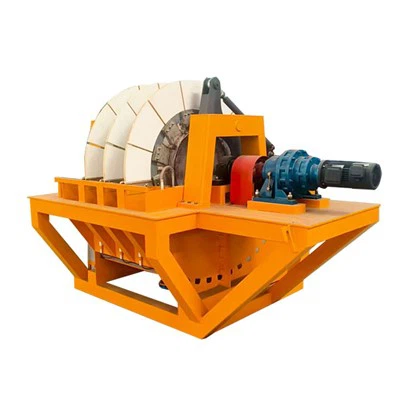
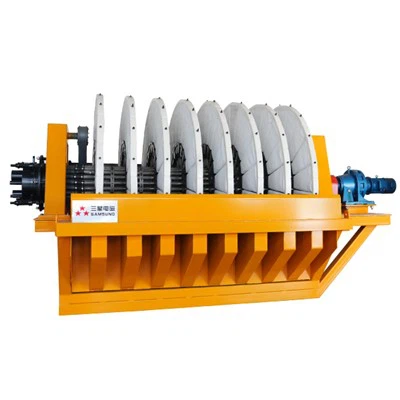
First off, let's quickly understand what a Rotary Vacuum Disc Filter is. A Rotary Vacuum Disc Filter is a piece of equipment widely used in various industries like mining, chemical, and food processing. It's designed to separate solids from liquids efficiently. The filter consists of multiple discs that rotate in a slurry tank. A vacuum is applied to the discs, which causes the liquid to pass through the filter medium while the solids are retained on the surface of the discs.
Now, let's dive into the back-washing process. Back-washing is a crucial step in maintaining the performance and longevity of the Rotary Vacuum Disc Filter. Over time, as the solids build up on the filter discs, the filtration efficiency starts to decline. That's when back-washing comes in to clean the discs and restore their filtering ability.
The back-washing process typically starts with the rotation of the discs being stopped. This is important because we need to isolate the discs that are going to be back-washed. Once the rotation is halted, a valve is opened to allow a reverse flow of liquid through the filter medium. This reverse flow is usually water, but in some cases, it could be a cleaning solution depending on the nature of the solids being filtered.
The reverse flow of liquid helps to dislodge the solids that have accumulated on the surface of the filter discs. The pressure of the back-washing liquid is carefully controlled to ensure that it's strong enough to remove the solids but not so strong that it damages the filter medium. As the solids are dislodged, they are carried away by the back-washing liquid and are usually collected in a separate tank for further processing or disposal.
One of the key advantages of the back-washing process is that it's relatively quick and efficient. It doesn't require the filter to be taken apart, which means that the downtime of the equipment is minimized. This is especially important in industries where continuous production is crucial.
Another important aspect of the back-washing process is the frequency. How often you need to back-wash the Rotary Vacuum Disc Filter depends on several factors. The type and concentration of the solids in the slurry are major factors. If the slurry has a high concentration of solids or if the solids are particularly sticky, you may need to back-wash more frequently. The operating conditions, such as the temperature and pressure, can also affect the frequency of back-washing.
In addition to the basic back-washing process, some Rotary Vacuum Disc Filters are equipped with additional features to enhance the cleaning efficiency. For example, some filters have a pulse jet system. This system releases short bursts of high-pressure air or liquid during the back-washing process. These pulses help to break up any stubborn solids that may be clinging to the filter medium, making the cleaning process even more effective.
Now, let's talk about the maintenance of the back-washing system itself. Regular maintenance is essential to ensure that the back-washing system works properly. This includes checking the valves for any leaks or blockages, inspecting the pipes for corrosion or damage, and monitoring the pressure and flow rate of the back-washing liquid. By keeping the back-washing system in good condition, you can ensure that the Rotary Vacuum Disc Filter continues to operate at its best.
When it comes to choosing a Rotary Vacuum Disc Filter, it's important to consider the back-washing capabilities. A good filter should have a reliable and efficient back-washing system. Look for a filter that allows for easy adjustment of the back-washing parameters, such as the pressure and flow rate. This will give you more control over the cleaning process and allow you to optimize it based on your specific needs.


At our company, we offer a wide range of Rotary Disc Filters and Disc Vacuum Filters with advanced back-washing systems. Our filters are designed to provide high filtration efficiency and long service life. We understand the importance of the back-washing process in maintaining the performance of the filter, and that's why we've put a lot of effort into developing innovative back-washing technologies.
If you're in the market for a Rotary Vacuum Disc Filter or if you're looking to upgrade your existing filtration system, we'd love to hear from you. Our team of experts can help you choose the right filter for your application and provide you with all the support you need. Whether you have questions about the back-washing process or any other aspect of the filter, we're here to assist you.
In conclusion, the back-washing process of a Rotary Vacuum Disc Filter is a vital part of its operation. It helps to keep the filter clean and efficient, ensuring that it can continue to separate solids from liquids effectively. By understanding how the back-washing process works and choosing the right filter, you can improve the productivity and profitability of your business. So, if you're interested in learning more about our Rotary Vacuum Disc Filters or if you're ready to make a purchase, don't hesitate to get in touch with us. We're looking forward to working with you!
References:
- Industry standards and guidelines for Rotary Vacuum Disc Filters
- Technical manuals and documentation provided by filter manufacturers