Hey there! As a filter supplier, I've been in the business long enough to know that when it comes to filters, cost - effectiveness is a major concern for our customers. So, let's dive right into the cost - effectiveness aspects of using a filter.
First off, what do we mean by cost - effectiveness? Well, it's all about getting the most bang for your buck. That means the filter should perform well, last a long time, and not break the bank.
Initial Investment
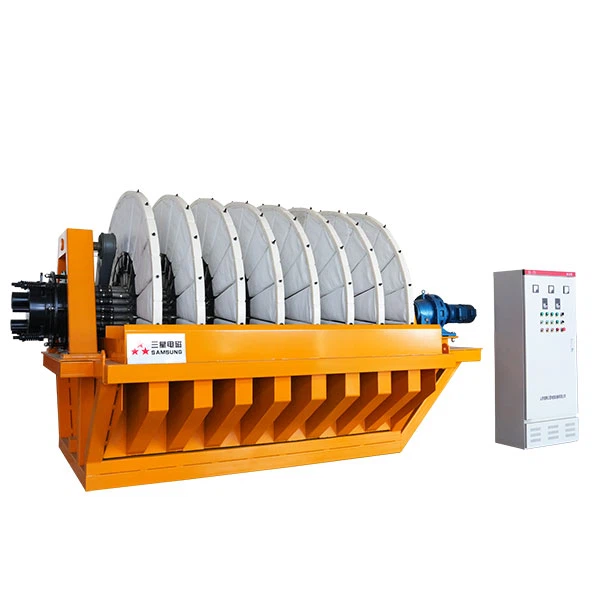
The first thing you'll notice when buying a filter is the upfront cost. Different types of filters come with different price tags. For example, a simple mesh filter might be relatively cheap, while a high - tech Disc Vacuum Filter can be a bit more expensive. But here's the thing - the initial investment isn't the whole story.
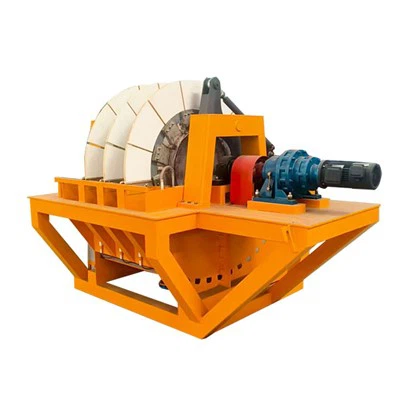
A more expensive filter often comes with advanced features. The Rotary Vacuum Disc Filter, for instance, is designed to handle large volumes of liquid with high efficiency. It can separate solids from liquids more effectively than some basic filters. So, even though you're paying more at the start, you're getting a better - performing product that can save you money in the long run.
Operational Costs
Once you've bought the filter, there are the day - to - day operational costs to consider. These include things like energy consumption, maintenance, and replacement parts.
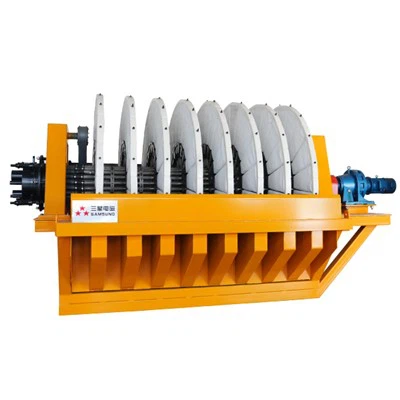
Energy consumption can be a big deal. Some filters require a lot of power to run. For example, if a filter has a powerful pump to force the liquid through the filtration medium, it'll use more electricity. On the other hand, a well - designed filter, like the Ceramic Disc Filter, is engineered to be energy - efficient. It uses less power while still delivering excellent filtration results. This means lower electricity bills over time.
Maintenance is another factor. A filter that's easy to clean and maintain will save you both time and money. Some filters have complex designs that make it difficult to access and clean the internal parts. This can lead to more frequent breakdowns and higher maintenance costs. Our filters are designed with simplicity in mind. They're easy to disassemble, clean, and reassemble, which reduces the need for costly professional maintenance.
Replacement parts are also important. Filters have components that wear out over time, like filter media, gaskets, and seals. If these parts are expensive or hard to find, it can add up to a significant cost. We make sure that all our replacement parts are affordable and readily available. This way, you can keep your filter running smoothly without spending a fortune.
Productivity and Efficiency
A good filter can improve productivity and efficiency in your operations. When a filter works well, it can process more liquid or gas in less time. This means you can get more done with the same amount of resources.
For example, in a manufacturing plant, a high - performance filter can ensure that the raw materials are clean and free of contaminants. This can lead to fewer production errors and higher - quality products. In a wastewater treatment facility, an efficient filter can treat more water in a shorter period, which is crucial for meeting environmental regulations and keeping the facility running smoothly.
Let's say you're in the food and beverage industry. A proper filter can remove impurities from your products, ensuring that they meet the strict quality standards. This can enhance your brand reputation and increase customer satisfaction, which in turn can lead to more sales and higher profits.
Long - Term Savings
Over the long term, using a cost - effective filter can result in significant savings. When you factor in the lower operational costs, increased productivity, and reduced downtime due to maintenance and breakdowns, the savings can really add up.
Let's do a quick comparison. Suppose you have two filters: Filter A costs $1000 upfront and has high operational costs, while Filter B costs $1500 upfront but is more energy - efficient and requires less maintenance. In the first year, Filter A might seem like the cheaper option. But over a five - year period, the savings from Filter B's lower operational costs can easily outweigh the higher initial investment.
Environmental Impact
Cost - effectiveness isn't just about saving money. It's also about being environmentally friendly. A good filter can help reduce waste and pollution. For example, a filter that can capture more contaminants means less pollution being released into the environment.
In addition, energy - efficient filters use less electricity, which reduces your carbon footprint. By choosing a cost - effective filter, you're not only saving money but also doing your part for the planet.

Customization and Flexibility
We understand that every customer has different needs. That's why we offer customizable filters. You can choose the size, filtration medium, and other features based on your specific requirements. This means you're not paying for features you don't need, and you're getting a filter that's perfectly suited to your operations.
For example, if you have a small - scale operation, you might not need a large, high - capacity filter. We can design a smaller, more cost - effective filter that meets your needs. On the other hand, if you have a large industrial facility, we can provide a heavy - duty filter that can handle high volumes of liquid or gas.
Conclusion
In conclusion, the cost - effectiveness of using a filter goes beyond the initial purchase price. It includes operational costs, productivity, long - term savings, environmental impact, and customization. Our filters are designed to offer the best value for your money. They're energy - efficient, easy to maintain, and can improve the efficiency of your operations.
If you're interested in learning more about our filters or want to discuss your specific filtration needs, we'd love to hear from you. Contact us to start a conversation about how we can help you find the most cost - effective filter solution for your business.
References
- "Filtration Handbook" by Christopher D. Metcalfe
- "Principles of Filtration" by John F. Kennedy
- Industry reports on filter technology and cost - effectiveness