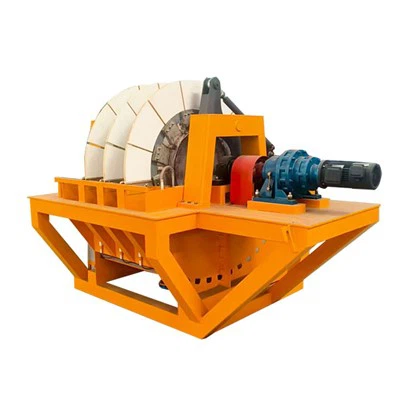
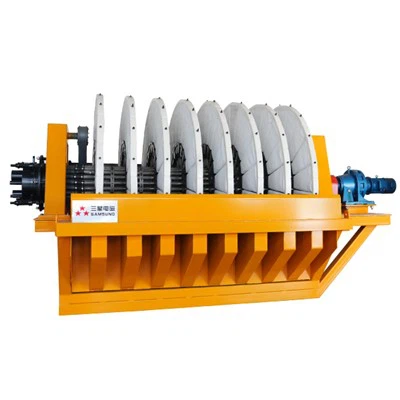
Electromagnetic magnetic separators are essential tools in various industries for separating magnetic materials from non - magnetic ones. As a leading supplier of electromagnetic magnetic separators, I am excited to delve into the science and mechanics behind how these remarkable machines work.
The Basics of Electromagnetism
To understand how an electromagnetic magnetic separator operates, we first need to grasp the fundamental principles of electromagnetism. Electromagnetism is the interaction between electric currents and magnetic fields. When an electric current flows through a conductor, such as a wire, it generates a magnetic field around the conductor.
In an electromagnetic magnetic separator, a coil of wire is used. When an electric current is passed through this coil, a magnetic field is created. The strength of this magnetic field can be controlled by adjusting the amount of current flowing through the coil. The direction of the magnetic field is determined by the direction of the electric current. This ability to control the magnetic field makes electromagnetic separators highly versatile compared to permanent magnet separators.
Structure of an Electromagnetic Magnetic Separator
An electromagnetic magnetic separator typically consists of several key components. The core part is the electromagnet, which is made up of a coil of insulated copper wire wound around a core material. The core material is usually made of a ferromagnetic material, such as iron, which can enhance the magnetic field strength.
There is also a conveyor belt or a feeding mechanism that transports the mixture of materials to be separated. This conveyor belt passes over or through the magnetic field generated by the electromagnet. Additionally, there are often mechanisms for collecting the separated magnetic and non - magnetic materials.
The Separation Process
Let's break down the separation process step by step.
Step 1: Feeding the Material
The first step is to feed the mixture of magnetic and non - magnetic materials onto the conveyor belt or into the separation chamber. The material can be in various forms, such as powders, granules, or even larger pieces. This ensures that the material is evenly distributed and ready to pass through the magnetic field.
Step 2: Exposure to the Magnetic Field
As the material moves along the conveyor belt, it enters the magnetic field generated by the electromagnet. Magnetic materials, such as iron, nickel, and cobalt, have magnetic dipoles. These dipoles align themselves with the magnetic field when they come into its vicinity. As a result, the magnetic materials are attracted to the electromagnet.
The force of attraction between the magnetic material and the electromagnet depends on several factors. One of the most important factors is the magnetic susceptibility of the material. Materials with higher magnetic susceptibility will experience a stronger force of attraction. The strength of the magnetic field generated by the electromagnet also plays a crucial role. A stronger magnetic field will be able to attract magnetic materials more effectively, even those with lower magnetic susceptibility.
Step 3: Separation of Magnetic and Non - Magnetic Materials
Once the magnetic materials are attracted to the electromagnet, they stick to it or are diverted from the path of the non - magnetic materials. Non - magnetic materials, which are not affected by the magnetic field, continue to move along the original conveyor belt path or are collected in a separate container.
For example, in some industrial applications, the magnetic materials are removed from the electromagnet by a scraper or a self - unloading mechanism. This ensures a continuous separation process without the need for manual intervention.
Different Types of Electromagnetic Magnetic Separators and Their Separation Mechanisms
We offer a variety of electromagnetic magnetic separators, each designed for specific applications.
Air - cooled Self - unloading Electromagnetic Separator
The Air - cooled Self - unloading Electromagnetic Separator is a popular choice in many industries. It uses an air - cooling system to prevent the electromagnet from overheating, which is essential for maintaining its performance.
In this type of separator, the self - unloading mechanism is a key feature. As the magnetic materials are attracted to the electromagnet, a rotating belt or chain moves over the electromagnet. When the magnetic materials reach a certain point, the magnetic field intensity in that area is reduced, causing the magnetic materials to fall off the belt and be collected in a separate container. This continuous self - unloading process allows for efficient and uninterrupted operation.


Dry Electromagnetic Powder Magnetic Separator
The Dry Electromagnetic Powder Magnetic Separator is specifically designed for separating magnetic particles from dry powder materials. It works by creating a strong magnetic field in a separation chamber.
The powder is fed into the chamber, and as the magnetic particles are attracted to the electromagnet, they are captured on the surface of the magnetic poles or a magnetic matrix. The non - magnetic powder then passes through the chamber and is collected separately. This type of separator is commonly used in the mining, chemical, and food industries to remove iron and other magnetic impurities from powders.
RCDB Dry Electromagnetic Separator
The RCDB Dry Electromagnetic Separator is another type of high - performance separator. It features a robust design and is capable of handling large volumes of materials.
This separator uses a double - layer magnetic circuit design, which can generate a strong and uniform magnetic field. The dry materials are fed onto a vibrating feeder, which evenly distributes the materials onto the conveyor belt. As the materials pass through the magnetic field, the magnetic particles are attracted and separated from the non - magnetic ones.
Factors Affecting Separation Efficiency
The efficiency of an electromagnetic magnetic separator depends on several factors.
Magnetic Field Strength
As mentioned earlier, a stronger magnetic field can attract magnetic materials more effectively. However, increasing the magnetic field strength also requires more electrical power. Therefore, a balance needs to be struck between the desired separation efficiency and the energy consumption.
Material Characteristics
The particle size, shape, and magnetic susceptibility of the materials also affect the separation efficiency. Smaller particles are generally more difficult to separate as they may be more easily influenced by other forces, such as electrostatic forces or fluid drag. Materials with lower magnetic susceptibility require a stronger magnetic field for effective separation.
Feeding Speed and Quantity
The speed at which the materials are fed into the separator and the quantity of materials also play a role. If the feeding speed is too high or the quantity of materials is too large, the magnetic field may not be able to fully act on all the magnetic materials, resulting in lower separation efficiency.
Applications of Electromagnetic Magnetic Separators
Electromagnetic magnetic separators are widely used in various industries. In the mining industry, they are used to separate valuable magnetic minerals from gangue materials. For example, in iron ore mining, electromagnetic separators are used to separate iron - rich particles from non - magnetic rocks.
In the recycling industry, these separators are used to remove ferrous metals from waste materials, such as scrap metal and electronic waste. This helps in the efficient recycling of metals and reduces the environmental impact.
In the food and pharmaceutical industries, electromagnetic separators are used to remove magnetic impurities from raw materials, ensuring the quality and safety of the final products.
Conclusion
Electromagnetic magnetic separators are powerful and versatile machines that play a crucial role in many industries. By understanding the principles of electromagnetism and the separation process, we can better appreciate their functionality and efficiency.
As a supplier of electromagnetic magnetic separators, we are committed to providing high - quality products that meet the specific needs of our customers. Whether you are in the mining, recycling, food, or any other industry, our range of electromagnetic magnetic separators, including the Air - cooled Self - unloading Electromagnetic Separator, Dry Electromagnetic Powder Magnetic Separator, and RCDB Dry Electromagnetic Separator, can offer the solutions you need.
If you are interested in learning more about our products or have specific requirements for magnetic separation in your industry, please feel free to reach out to us for a detailed discussion and potential purchase. We look forward to working with you to optimize your production processes.
References
- Gupta, R. B., & Yan, D. (2006). Mineral Processing Design and Operation: An Introduction. Elsevier.
- O'Kane, J. (2013). Magnetic Separation. Springer.