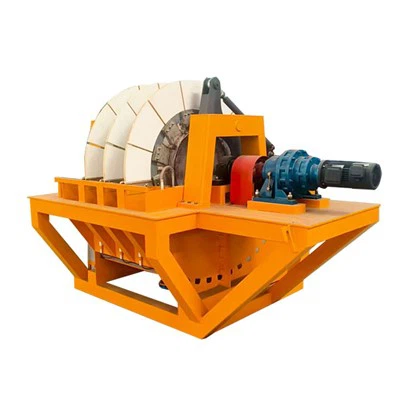
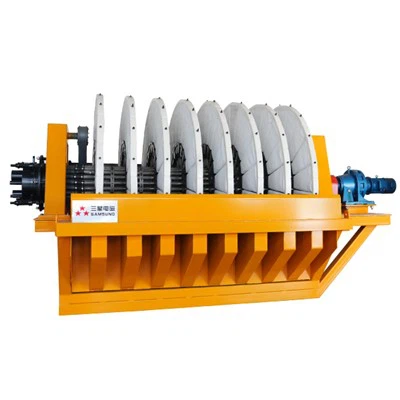
In the industrial filtration realm, the Rotary Vacuum Disc Filter stands as a cornerstone for efficient solid - liquid separation. One of the most critical factors that determine its performance is the tightness of the vacuum system. As a leading supplier of Rotary Vacuum Disc Filters, I understand the significance of maintaining a well - sealed vacuum system and am here to share some in - depth insights on how to ensure its tightness.
Understanding the Importance of Vacuum System Tightness
A tight vacuum system is the lifeblood of a Rotary Vacuum Disc Filter. It creates the necessary pressure differential that drives the filtration process. When the vacuum system is leak - free, it can generate a consistent and strong vacuum, which in turn enhances the filtration rate, improves the quality of the filtrate, and reduces the moisture content of the filter cake. On the contrary, even a minor leak can lead to a significant decrease in vacuum efficiency, resulting in slower filtration speeds, poor filtration quality, and increased energy consumption.


Preventing Leaks at the Sealing Points
-
Inspection of Gaskets and Seals
The gaskets and seals in a Rotary Vacuum Disc Filter play a crucial role in preventing air leaks. Over time, these components can wear out due to constant exposure to chemicals, high temperatures, and mechanical stress. Regular inspection of gaskets and seals is essential. Look for signs of cracks, deformation, or hardening. Replace any gaskets or seals that show signs of damage immediately. When selecting replacement parts, ensure that they are made of high - quality materials that are compatible with the process media and operating conditions. -
Proper Installation of Sealing Elements
The installation of gaskets and seals is equally important. Improper installation can lead to misalignment, which can cause leaks. When installing gaskets, make sure they are clean and free of debris. Follow the manufacturer's guidelines for proper compression. Over - compression or under - compression can both lead to sealing failures. For mechanical seals, ensure that they are aligned correctly and that the sealing faces are in good condition.
Monitoring and Maintaining Pipework
-
Checking Pipe Connections
The pipework in the vacuum system is another potential source of leaks. Regularly check all pipe connections, including flanges, couplings, and threaded joints. Look for signs of air leakage, such as hissing sounds or visible dust movement around the connections. Tighten any loose connections, but be careful not to over - tighten, as this can damage the pipes or fittings. If a leak persists after tightening, consider using a thread sealant or replacing the gasket on the connection. -
Inspection of Pipe Integrity
Inspect the pipes themselves for signs of corrosion, erosion, or physical damage. Corroded or damaged pipes can develop holes or cracks, which will allow air to enter the vacuum system. For pipes that are exposed to corrosive chemicals, use corrosion - resistant materials such as stainless steel or plastic. If any damage is detected, repair or replace the affected section of the pipe as soon as possible.
Ensuring the Integrity of the Filter Discs
-
Inspection of Disc Seals
The filter discs are an integral part of the Rotary Vacuum Disc Filter, and their seals need to be in good condition. Check the seals around the filter discs regularly for signs of damage or wear. If the seals are not properly maintained, air can leak into the system through the disc edges, reducing the vacuum efficiency. Replace any damaged disc seals promptly. -
Monitoring Disc Condition
In addition to the seals, the filter discs themselves can also affect the vacuum tightness. Over time, the filter media on the discs may become clogged or damaged, which can disrupt the flow of the filtrate and compromise the vacuum. Regularly clean and replace the filter media as needed. Monitor the performance of the filter discs to ensure that they are operating within the specified parameters.
Utilizing Diagnostic Tools
-
Vacuum Gauges and Sensors
Install vacuum gauges and sensors throughout the vacuum system to monitor the vacuum level continuously. These devices can provide real - time data on the vacuum pressure, allowing you to detect any sudden drops or fluctuations that may indicate a leak. Set up alarms to notify you when the vacuum level falls outside the acceptable range. By monitoring the vacuum level, you can take proactive measures to address any issues before they escalate. -
Leak Detection Equipment
For more accurate leak detection, consider using specialized leak detection equipment such as helium leak detectors or ultrasonic leak detectors. Helium leak detectors are highly sensitive and can detect extremely small leaks. They work by introducing helium gas into the system and detecting the presence of helium outside the system, indicating a leak. Ultrasonic leak detectors, on the other hand, can detect the high - frequency sounds produced by air leaks. These tools can help you locate leaks quickly and precisely, making it easier to repair them.
Staff Training and Standard Operating Procedures
-
Training Programs
Provide comprehensive training programs for your staff on the proper operation and maintenance of the Rotary Vacuum Disc Filter. Train them on how to identify signs of leaks, perform regular inspections, and carry out basic maintenance tasks. A well - trained workforce is more likely to detect and address issues promptly, ensuring the long - term tightness of the vacuum system. -
Standard Operating Procedures (SOPs)
Develop and implement standard operating procedures for the operation and maintenance of the vacuum system. SOPs should include detailed steps for starting and stopping the system, performing routine inspections, and handling maintenance tasks. By following SOPs consistently, you can minimize the risk of human error and ensure that the vacuum system is maintained at its optimal performance level.
The Role of Regular Maintenance
-
Scheduled Maintenance Programs
Establish a scheduled maintenance program for the Rotary Vacuum Disc Filter. This program should include regular inspections, cleaning, lubrication, and replacement of worn - out parts. By performing maintenance tasks on a regular basis, you can prevent potential problems from occurring and extend the lifespan of the equipment. -
Documentation and Record - keeping
Keep detailed records of all maintenance activities, including inspection results, repair dates, and replacement parts. This documentation can help you track the performance of the vacuum system over time, identify trends, and plan for future maintenance. It also provides a valuable reference for troubleshooting and can assist in ensuring compliance with industry standards and regulations.
Conclusion
Ensuring the tightness of the vacuum system in a Rotary Vacuum Disc Filter is a multifaceted process that requires attention to detail, regular maintenance, and the use of appropriate diagnostic tools. By implementing the strategies outlined above, you can maintain a high - performance vacuum system, which will ultimately lead to improved filtration efficiency, reduced operating costs, and increased overall productivity.
If you are interested in learning more about Rotary Disc Filter or need assistance with ensuring the tightness of the vacuum system in your filtration equipment, we are here to help. Our team of experts has extensive experience in the design, installation, and maintenance of Rotary Vacuum Disc Filters. We also offer a range of related products such as Ceramic Disc Filter and Disc Vacuum Filter to meet your specific filtration needs. Contact us today to start a discussion about your requirements and explore how we can provide the best solutions for your business.
References
- Perry, R. H., & Green, D. W. (Eds.). (2008). Perry's Chemical Engineers' Handbook. McGraw - Hill Professional.
- Baskakov, V. N. (2015). Vacuum technology: physics and engineering. Springer.
- Richardson, J. F., Harker, J. H., & Backhurst, J. R. (2002). Chemical Engineering Volume 2: Particle Technology and Separation Processes. Butterworth - Heinemann.