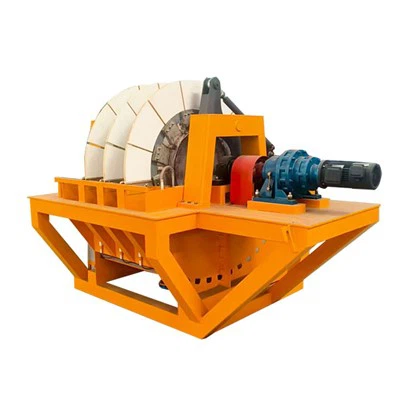
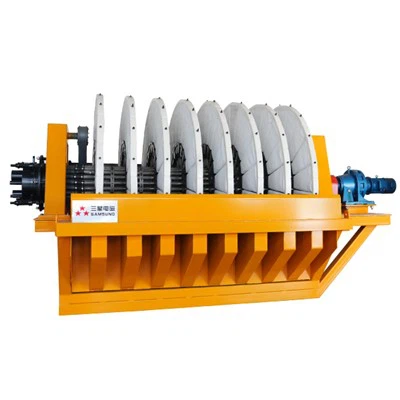
Hey there! As a supplier of Flat Plate Magnetic Separators, I often get asked about the installation requirements for these nifty machines. So, I thought I'd put together a blog post to give you all the deets.
First off, let's talk about what a Flat Plate Magnetic Separator actually is. It's a device used to separate magnetic materials from non - magnetic ones. You can find these separators in a bunch of industries, like mining, recycling, and food processing. They're super handy for getting rid of unwanted metal bits and making sure your products are clean and pure.
Location, Location, Location
The first thing you need to think about when installing a Flat Plate Magnetic Separator is where you're going to put it. You want to pick a spot that's easily accessible for maintenance and cleaning. It should also be away from any sources of excessive heat, moisture, or vibration.
If you're installing it in a production line, make sure there's enough space around it. You don't want to be cramped up when it comes time to do any repairs or adjustments. Also, consider the flow of the material you're processing. The separator should be placed in a way that allows the material to pass over it smoothly.
Mounting
There are a few different ways to mount a Flat Plate Magnetic Separator. The most common method is to use brackets or supports. You'll need to make sure these brackets are strong enough to hold the weight of the separator, especially when it's loaded with magnetic material.
Before you start mounting, check the surface where you're going to attach the brackets. It should be flat and level. If it's not, you might need to use shims or other leveling devices to make it even. Once you've got the brackets in place, carefully lift the separator onto them and secure it tightly.
Electrical Requirements
Most Flat Plate Magnetic Separators need to be connected to a power source. You'll need to check the voltage and amperage requirements of your specific model. Make sure you have the right electrical outlet or circuit breaker to handle the load.
It's also a good idea to have a dedicated circuit for the separator. This will prevent any electrical interference from other equipment in your facility. When you're connecting the electrical wires, follow the manufacturer's instructions carefully. If you're not comfortable doing this yourself, it's best to hire a qualified electrician.
Safety Precautions
Safety is always a top priority when installing any kind of equipment. When working with a Flat Plate Magnetic Separator, there are a few things you need to keep in mind.
First, make sure the power is turned off before you start any installation work. This will prevent any accidental shocks or injuries. Also, wear appropriate safety gear, like gloves and safety glasses.
The magnetic field of the separator can be quite strong. Keep any magnetic or electronic devices away from it, as they can be affected. And if you have any pacemakers or other medical devices, stay at a safe distance from the separator.
Testing and Calibration
Once you've installed the Flat Plate Magnetic Separator, it's time to test it out. Start by turning on the power and checking if the magnetic field is working properly. You can do this by using a small piece of magnetic material and seeing if it's attracted to the separator.
Next, run some sample material through the separator. Check to see if it's effectively removing the magnetic particles. If you notice any issues, like poor separation or material getting stuck, you might need to adjust the settings of the separator.
Calibration is also important. You may need to adjust the height of the separator, the strength of the magnetic field, or the speed of the material flow to get the best results. Refer to the manufacturer's manual for detailed instructions on how to calibrate your specific model.


Maintenance and Upkeep
To keep your Flat Plate Magnetic Separator in top condition, regular maintenance is a must. This includes cleaning the separator to remove any built - up magnetic material. You can use a non - magnetic brush or a special cleaning tool for this.
Check the electrical connections periodically to make sure they're tight and free of corrosion. Also, inspect the brackets and supports for any signs of wear or damage. If you notice any problems, replace the parts as soon as possible.
Related Products
If you're interested in other types of magnetic separators, we also offer some great options. For example, the Permanent Magnetic Dry Separator is perfect for separating magnetic materials from dry substances. It's widely used in industries like mining and ceramics.
The Permanent Overband Magnetic Separator is another popular choice. It's designed to remove tramp iron from conveyor belts, ensuring the smooth operation of your production line.
And if you're dealing with large volumes of material, the Permanent Drum Magnetic Separator might be the right fit for you. It can handle high - capacity processing and is very efficient at separating magnetic materials.
Conclusion
So, there you have it - the installation requirements for a Flat Plate Magnetic Separator. It might seem like a lot to take in, but with the right preparation and attention to detail, you can have your separator up and running in no time.
If you have any questions about our Flat Plate Magnetic Separators or need help with the installation process, don't hesitate to reach out. We're here to assist you and make sure you get the most out of your equipment. Whether you're a small business or a large industrial operation, we've got the products and expertise to meet your needs. Contact us today to start a conversation about your magnetic separation requirements.
References
- Manufacturer's Manual for Flat Plate Magnetic Separators
- Industry Standards for Magnetic Separator Installation
- Technical Papers on Magnetic Separation Technology