Hey there! As a filter supplier, I've dealt with my fair share of issues when it comes to debugging filters in mobile applications. It can be a real headache, but don't worry – I'm here to share some tips and tricks that'll make the process a whole lot easier.
First off, let's talk about why debugging a filter in a mobile app is important. Filters are a crucial part of many mobile applications, whether it's for image editing, data processing, or something else entirely. A malfunctioning filter can lead to poor user experience, inaccurate results, and even app crashes. So, getting it right is super important.
Understanding the Filter
The first step in debugging a filter is to understand how it works. You need to know what the filter is supposed to do, what kind of input it expects, and what output it should produce. This might seem obvious, but you'd be surprised how many people try to fix a problem without really understanding the underlying mechanism.
For example, if you're dealing with an image filter, you need to know if it's a color filter, a blur filter, or something else. Each type of filter has its own set of algorithms and parameters. If it's a color filter, you might need to understand how it manipulates the RGB values of each pixel. If it's a blur filter, you'll need to know about kernel sizes and weights.
Checking the Input
Once you understand the filter, the next step is to check the input. A lot of filter issues can be traced back to incorrect or unexpected input. For instance, if your filter is designed to work with a specific data format, and the input data doesn't match that format, the filter might not work as expected.
Let's say you have a filter that processes numerical data. If the input data contains non - numerical values, the filter might crash or produce incorrect results. So, you need to make sure that the input data is in the right format and within the expected range.
Testing the Filter
Testing is a key part of debugging. You need to test the filter with different inputs to see how it behaves. Start with simple, known inputs and gradually move on to more complex ones. This will help you identify any patterns in the filter's behavior.
For example, if you're testing an image filter, you can start with a plain white image and see how the filter affects it. Then, you can try a black image, a single - color image, and finally, a real - world photo. By doing this, you can see if the filter is working correctly under different conditions.
Logging and Monitoring
Logging and monitoring are great ways to track what's going on inside the filter. You can add logging statements to your code to record important events, such as when the filter starts processing, when it encounters an error, or when it produces an output.
Monitoring can also help you keep an eye on the filter's performance. You can measure things like processing time, memory usage, and CPU utilization. If you notice that the filter is taking too long to process or using too much memory, it could be a sign of a problem.
Using Debugging Tools
There are plenty of debugging tools available for mobile applications. These tools can help you step through the code, inspect variables, and identify errors. For example, most mobile development platforms come with built - in debuggers that allow you to pause the execution of the code at specific points and examine the state of the program.
You can also use third - party tools like Firebase Crashlytics or Sentry. These tools can help you track crashes and errors in your application, including those related to the filter.
Common Filter Issues and Solutions
Now, let's take a look at some common filter issues and how to solve them.
Incorrect Output
If the filter is producing incorrect output, the first thing to check is the input. As I mentioned earlier, incorrect input can lead to incorrect output. Make sure that the input data is in the right format and within the expected range.
Another possible cause is a bug in the filter's algorithm. You might need to review the code and make sure that the mathematical operations and logic are correct. For example, if you're using a formula to calculate a new value for each pixel in an image filter, make sure that the formula is correct.
Performance Issues
Performance issues are also common with filters. If the filter is taking too long to process or using too much memory, there are a few things you can do.
First, you can optimize the algorithm. Look for ways to reduce the number of calculations or use more efficient data structures. For example, if you're using a brute - force algorithm to perform a filtering operation, you might be able to use a more optimized algorithm instead.
You can also consider offloading some of the processing to the GPU. Many modern mobile devices have powerful GPUs that can handle image and data processing tasks much faster than the CPU.
Compatibility Issues
Compatibility issues can arise when the filter doesn't work correctly on different devices or operating systems. This could be due to differences in hardware capabilities, software versions, or device settings.
To solve compatibility issues, you need to test the filter on a variety of devices and operating systems. You can use device emulators or physical devices for testing. If you find that the filter doesn't work on a particular device or OS, you might need to adjust the code to make it more compatible.
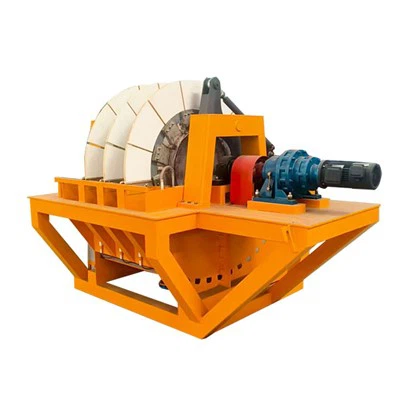
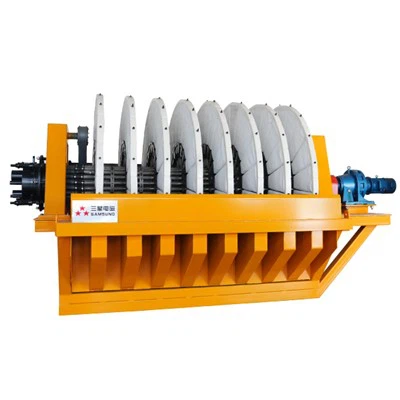
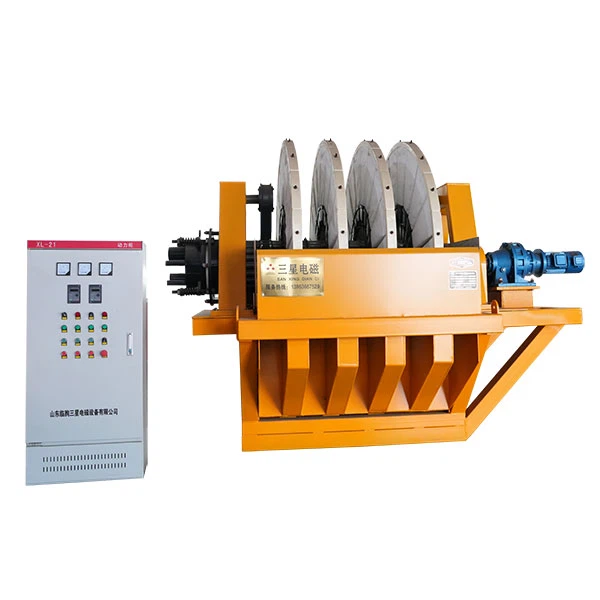
Rotary Vacuum Disc Filter, Disc Vacuum Filter, and Rotary Disc Filter
If you're in the market for high - quality filters, you might want to check out the Rotary Vacuum Disc Filter, Disc Vacuum Filter, and Rotary Disc Filter. These filters are designed to meet the needs of various industries and applications. They offer reliable performance, high efficiency, and easy maintenance.
Conclusion
Debugging a filter in a mobile application can be a challenging task, but with the right approach, it can be done. By understanding the filter, checking the input, testing, logging, using debugging tools, and addressing common issues, you can get your filter up and running smoothly.
If you're having trouble with a filter in your mobile application or if you're looking for high - quality filters for your business, don't hesitate to reach out. We're here to help you with all your filter - related needs. Whether it's debugging an existing filter or finding the right filter for your application, we've got you covered.

References
- Mobile Application Development Best Practices
- Debugging Techniques for Software Engineers
- Filter Design and Optimization in Mobile Applications