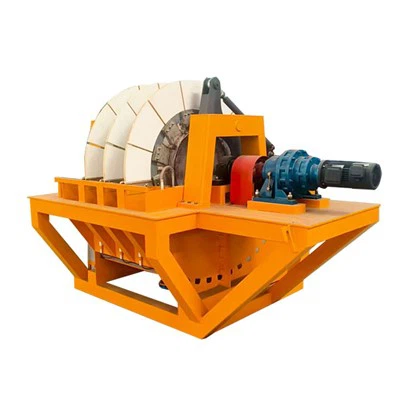
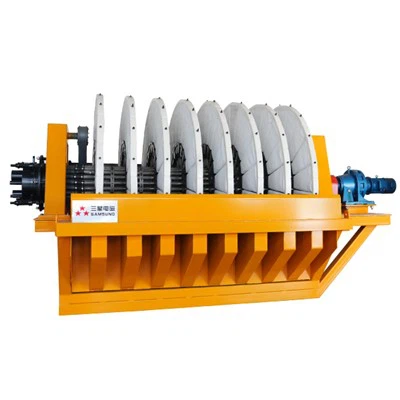
Hey there! As a supplier of Disc Vacuum Filters, I often get asked whether these nifty machines can be used in the chemical industry. Well, let me tell you, the answer is a resounding yes! In this blog post, I'm gonna break down why Disc Vacuum Filters are a great fit for the chemical industry, how they work, and what benefits they bring to the table.
First off, let's talk about what a Disc Vacuum Filter is. A Disc Vacuum Filter is a type of continuous filtration device that uses a rotating disc to separate solids from liquids. It's designed to handle large volumes of slurry and can achieve high filtration rates. The disc is divided into multiple sectors, each with its own filtration area. As the disc rotates, the slurry is fed onto the disc, and a vacuum is applied to draw the liquid through the filter medium, leaving the solids behind on the disc surface. Once the solids reach a certain thickness, they are discharged from the disc, and the process repeats.
Now, let's dive into why these filters are so well-suited for the chemical industry. One of the biggest challenges in the chemical industry is dealing with corrosive and abrasive materials. Chemical processes often involve handling acids, bases, solvents, and other harsh chemicals that can eat away at equipment over time. Disc Vacuum Filters are typically made from materials that are resistant to corrosion, such as stainless steel, polypropylene, or rubber-lined steel. This means they can withstand the harsh chemical environment and have a long service life.
Another advantage of Disc Vacuum Filters in the chemical industry is their ability to handle high solids loads. Chemical processes can generate a lot of solid waste, and it's important to be able to separate these solids from the liquid efficiently. Disc Vacuum Filters can handle solids concentrations of up to 50% or more, depending on the application. This makes them ideal for processes such as chemical precipitation, crystallization, and waste treatment.
In addition to their durability and high solids handling capacity, Disc Vacuum Filters also offer excellent filtration efficiency. The vacuum system used in these filters creates a strong suction force that helps to draw the liquid through the filter medium quickly and effectively. This results in a clear filtrate with a low solids content, which is essential for many chemical processes. The filter medium can be selected based on the specific requirements of the application, such as the particle size of the solids, the viscosity of the liquid, and the chemical compatibility.
Let's take a look at some specific applications of Disc Vacuum Filters in the chemical industry. One common application is in the production of fertilizers. Fertilizer manufacturing involves the reaction of various chemicals to produce nitrogen, phosphorus, and potassium-based fertilizers. During the production process, a lot of solid waste is generated, including unreacted chemicals, impurities, and by-products. Disc Vacuum Filters can be used to separate these solids from the liquid fertilizer solution, resulting in a clean and concentrated product.
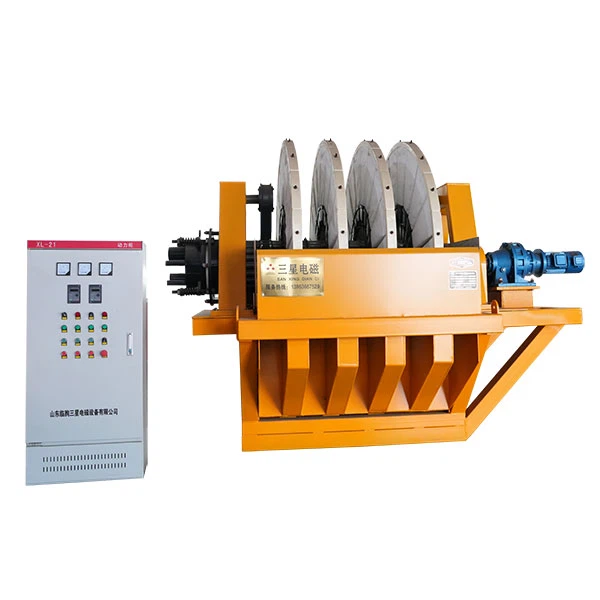
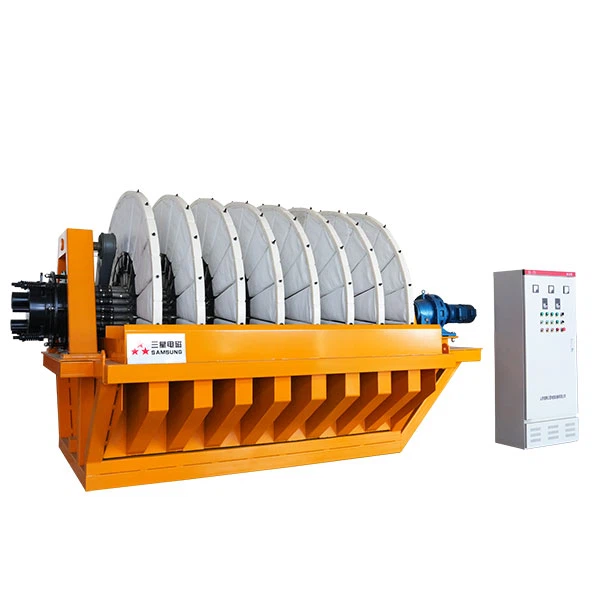
Another application is in the pharmaceutical industry. Pharmaceutical manufacturing often involves the purification of active ingredients and the removal of impurities. Disc Vacuum Filters can be used to filter out solids such as bacteria, fungi, and other contaminants from the pharmaceutical solutions. This helps to ensure the quality and safety of the final product.
The chemical waste treatment is also an area where Disc Vacuum Filters shine. Chemical plants generate a large amount of waste water and sludge that needs to be treated before it can be discharged into the environment. Disc Vacuum Filters can be used to separate the solids from the waste water, reducing the volume of waste and making it easier to handle. The filtered solids can then be further processed or disposed of safely.
Now, I know what you're thinking. "This all sounds great, but how do I choose the right Disc Vacuum Filter for my chemical application?" Well, there are a few factors to consider. First, you need to determine the flow rate and solids load of your process. This will help you to select a filter with the appropriate capacity. You also need to consider the chemical compatibility of the filter materials with the substances you'll be handling. Make sure the filter is made from materials that can withstand the corrosive and abrasive nature of your chemicals.
The type of filter medium is another important consideration. Different filter media have different properties, such as pore size, filtration efficiency, and chemical resistance. You'll need to choose a filter medium that is suitable for your specific application. Additionally, you may want to consider features such as automatic cake discharge, variable speed control, and easy maintenance.
If you're in the market for a Disc Vacuum Filter for your chemical industry application, I encourage you to check out our Rotary Vacuum Disc Filter and Rotary Disc Filter options. We offer a wide range of filters with different capacities and features to meet your specific needs. Our team of experts can also provide you with personalized advice and support to help you choose the right filter for your application.
In conclusion, Disc Vacuum Filters are a versatile and reliable solution for the chemical industry. They offer excellent corrosion resistance, high solids handling capacity, and efficient filtration performance. Whether you're in the fertilizer, pharmaceutical, or chemical waste treatment business, a Disc Vacuum Filter can help you to improve your process efficiency, reduce waste, and ensure the quality of your products. If you're interested in learning more about our Disc Vacuum Filters or discussing your specific requirements, don't hesitate to get in touch. We're here to help you find the perfect filtration solution for your chemical application.
References
- Perry, R. H., & Green, D. W. (Eds.). (1997). Perry's Chemical Engineers' Handbook. McGraw-Hill.
- Schweitzer, P. A. (2008). Handbook of Separation Techniques for Chemical Engineers. McGraw-Hill.