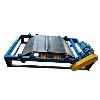
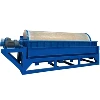
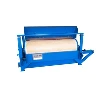
In belt conveying and powder processing for industries such as mining, coal, cement, building materials, chemicals, glass and food, raw materials often contain ferromagnetic impurities such as bolts, iron chips, nails and iron oxide powder. Once these impurities enter crushers, roller presses, vertical mills or powder-processing equipment, they may cause wear, blockage or even equipment damage, and also affect the purity of the finished product. An iron remover is mounted above the conveyor to attract and separate ferromagnetic impurities from the material. Based on the iron remover series of Linqu Sanxing Electromagnetic Equipment Co., Ltd., this article introduces the common types, working principles, suitable applications and selection references.
Basic Working Principle of Iron Removers
By magnetic source, iron removers are classified into electromagnetic type and permanent magnet type; by iron discharge method, they are classified into manual-discharge type and self-unloading type.

Electromagnetic iron remover
the excitation coil is energized with direct current to generate a strong magnetic field; ferromagnetic material in the passing material is attracted to the remover surface and separated from non-magnetic material. When power is cut off, the magnetic field disappears and the trapped iron falls into the discharge box; some models are equipped with a discharge belt for automatic iron discharge.
Permanent magnet iron remover
high-performance permanent magnetic core provides a constant magnetic field. It needs no power supply during operation and has a relatively simple structure that is easy to use and maintain.


Self-unloading structure
discharge belt, reduction motor and roller continuously throw the trapped iron onto a collection box outside the machine. It removes iron without shutdown or manual cleaning, and suits cases with relatively high iron content that require continuous operation.
Sanxing Electromagnetic Iron Removal Equipment Series

RCDB Dry Electromagnetic Iron Remover
The RCDB series removes ferromagnetic impurities from non-magnetic materials and is usually used together with belt conveyors. When energized, it generates a strong magnetic field to attract iron impurities; after power is cut off, the trapped iron falls into the discharge box, and some models are fitted with a discharge belt for automatic discharge. This series covers belt widths from 300 to 1800mm, magnetic field strength of 50–71mT and excitation power of 0.4–18kW, for a belt speed up to 2.5m/s, suitable for suspended iron removal on general belt-conveyed materials.

RCYB Series Suspended Strong Permanent Magnet Iron Remover
This series consists of a magnetic system, housing and end covers, with a simple structure, easy operation and reliable performance. It relies on permanent magnets and needs no power supply. Suspended at the discharge end of the belt conveyor, it removes iron from materials in cement, coal for the chemical industry, small-scale mining, building materials, wood processing and molding sand handling, so that the next process can proceed smoothly. Its surface suction is no less than 3500GS.

RCYD(C) Permanent Magnet Self-unloading Iron Remover
It consists of a high-performance permanent magnetic core, discharge belt, reduction motor, frame and roller, and works together with conveyors to automatically remove ferromagnetic material weighing 0.1–25kg. The internal magnetic circuit is designed with computer simulation and a dual-pole structure, ensuring long trouble-free operation in harsh environments. It supports horizontal and inclined (15°–30°) installation. This series covers belt widths from 500 to 2000mm, magnetic field strength of 63–71mT and driving power of 1.5–7.5kW.

RCDD Dry Self-unloading Electromagnetic Iron Remover
It automatically removes iron impurities from powdery or lumpy non-magnetic materials. The interior is cast with special electrical-grade resin in a self-cooled fully sealed structure, offering deep magnetic penetration, strong suction, dustproof, rainproof and corrosion-resistant performance, and reliable operation in harsh environments. It supports both horizontal and inclined installation. This series covers belt widths from 500 to 1800mm, magnetic field strength of 60–71mT, excitation power of 0.4–12.5kW and driving power of 1.5–7.5kW.

RCDC Air-cooled Self-unloading Electromagnetic Iron Remover
Built on the RCDA air-cooled suspended model, it adds a drive motor, roller and scraper discharge belt to form an unloading mechanism. During operation it automatically throws the trapped ferromagnetic material into an external collection box, so manual cleaning after shutdown is not required. It is mainly used for slag iron removal in steel plants and cement plants, protecting roller presses, vertical mills and crushers. This series covers belt widths from 500 to 2200mm, magnetic field strength of 70mT, excitation power of 1.2–32kW and driving power of 1.5–7.5kW.

SX Series Dry Electromagnetic Powder Iron Remover
Developed for powder iron removal & purification. Max magnetic field: 23000GS, iron discharge in 10+ seconds. Forced oil circulation water cooling for stable heat dissipation. Vibrating magnetic cavity prevents blockage with shock and noise reduction. Real-time oil temperature monitoring; auto alarm & shutdown to avoid coil overheating damage. PLC automatic control for excitation, feeding and iron removal. Color touchscreen for parameter setup and status display, with manual panel. Single unit or multiple units in series/parallel. Suitable for dry non-magnetic powder within 8 mesh.
Main Differences Between Electromagnetic and Permanent Magnet Types
The two types differ in magnetic source, power supply, magnetic adjustment and maintenance requirements, as shown below.
|
Comparison |
Electromagnetic Iron Remover |
Permanent Magnet Iron Remover |
|
Magnetic source |
Coil generates a field when energized |
High-performance permanent core provides a constant field |
|
Power and energy |
Requires continuous excitation and consumes power |
Needs no power supply during operation |
|
Magnetic adjustment |
Excitation strength can be adjusted to working conditions |
Field strength is fixed and non-adjustable |
|
Cooling and structure |
Cooling (self-cooled, air-cooled, oil-cooled) is required; structure is relatively complex |
No coil heating; simple structure |
|
Maintenance |
Monitor coil temperature, insulation and cooling |
Relatively light routine maintenance |
|
Suitable scenarios |
Thick material beds, larger iron pieces, higher removal demands or adjustable magnetism |
Stable iron content where power and maintenance costs are to be saved |
Note that self-unloading structures are available in both electromagnetic and permanent magnet series; magnetic source type and discharge method should be considered separately during selection.
Selection Reference by Industry

Mining and coal:
where iron pieces are larger and conveying is continuous, an electromagnetic self-unloading model is preferred for continuous discharge and less shutdown cleaning.
Cement, building materials and chemicals:
choose a suspended electromagnetic or permanent magnet model according to material bed thickness and iron piece size; select a self-unloading structure when continuous automatic discharge is required.


Slag treatment in steel and cement plants:
an air-cooled self-unloading model removes iron automatically and protects downstream roller presses, vertical mills and crushers.
Powder, glass and food industries:
fine iron powder is difficult to remove; the SX powder iron remover can be selected, with several units in series or parallel when necessary.

These are general selection principles; the specific model should be determined according to on-site belt width, material bed thickness, material properties, iron content and installation space.
Routine Operation and Maintenance Tips



Linqu Sanxing Electromagnetic Equipment Co., Ltd
Linqu Sanxing Electromagnetic Equipment Co., Ltd. integrates research and development, engineering design, manufacturing, installation and commissioning services. Its equipment is widely used in metallurgy, electric power, coal, mining, papermaking, food, chemicals, building materials, cement, glass and other industries. For full technical parameters and on-site configuration of a specific model, please check the corresponding series on the product pages of this website, or contact our technical team to discuss your working conditions.