## 1. Remove Tramp Iron and Protect Downstream Crushing & Grinding Equipment
In mined ore, mixed tramp iron such as broken drill bits, steel plates and bolts may enter the crushing and grinding system. These hard iron fragments can damage crusher liners, mill liners and screening meshes, causing unexpected shutdowns and high maintenance costs.
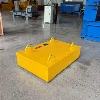
Electromagnetic iron removers and permanent magnetic iron separators are installed above conveyor belts. They capture ferrous impurities continuously. By eliminating tramp iron ahead of time, magnetic separation equipment minimizes unplanned downtime, extends the service life of crushers and ball mills, and stabilizes the continuous operation of the whole processing line.
## 2. Recover Ferrous Target Minerals and Upgrade Concentrate Quality
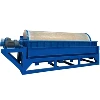
For magnetite, pyrrhotite and other magnetic ores, magnetic separators can effectively separate valuable magnetic minerals from gangue. During roughing, cleaning and scavenging stages, magnetic equipment separates mineral particles according to magnetic properties.
This process increases the iron concentrate grade, reduces gangue content, and lowers the impurity level of final products. High-quality concentrate brings higher economic returns for mines. Meanwhile, it reduces the load of subsequent flotation or gravity separation processes.
## 3. Purify Non-metallic Ores and Reduce Magnetic Impurities
Magnetic separation is not limited to iron ore processing. It is also used to remove iron-bearing impurities from quartz sand, kaolin, feldspar and other non-metallic minerals. Tiny magnetic iron contaminants will affect the whiteness and quality of non-metallic mineral products.
High-intensity magnetic separators can extract weakly magnetic iron impurities. This improves the quality of raw materials for ceramics, glass and new material industries, expanding the commercial value of mineral products.
## 4. Lower Energy and Operating Costs
Compared with chemical beneficiation methods such as flotation, magnetic separation is a physical separation process requiring no chemical reagents. It reduces chemical consumption and avoids wastewater pollution caused by medicaments.
Modern magnetic separators and electromagnetic iron removal devices have optimized coil structures and magnetic circuit designs. They maintain stable magnetic field strength with relatively low power consumption. Stable continuous operation also cuts labor costs for equipment inspection and troubleshooting.
## 5. Adapt to Diverse Working Conditions for Flexible Deployment
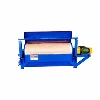
Modern magnetic separation equipment has multiple types to match different particle sizes and mineral characteristics. Low-intensity magnetic separators handle strong magnetic minerals; high-gradient magnetic separators process fine, weakly magnetic materials.
Electromagnetic iron removers can be applied in dusty, high-temperature mine sites. Permanent magnetic separators work reliably with low maintenance requirements. Such flexible equipment layout helps mineral processing plants adjust production schemes according to ore property changes, maintaining stable processing efficiency even when ore feed conditions fluctuate.
## Conclusion
Magnetic separation equipment serves as a key unit in modern mineral processing. It protects core processing machinery, recovers valuable magnetic minerals, purifies non-metallic raw materials and controls production costs. As magnetic circuit design and intelligent control technology develop, magnetic separation systems will further improve separation precision and automation level, supporting safer, greener and more efficient mining operations.