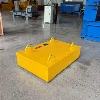
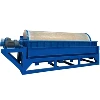
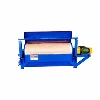
In mineral processing, cement, and quartz sand production lines, the presence of stray iron in bulk raw materials poses a common risk. Large metallic contaminants-such as broken bolts, steel fragments, or scrap iron-can severely damage crushers and various types of grinding equipment, leading to unplanned downtime and significant economic losses. Consequently, installing appropriate iron-removal equipment is essential for protecting production lines.
Currently, two main categories of iron-removal equipment are widely used in industrial applications: electromagnetic separators https://www.sanxingmagneticseparator.com/magnetic-separator/electromagnetic-magnetic-separator/self-discharging-electromagnetic-iron.html and permanent magnet separators https://www.sanxingmagneticseparator.com/magnetic-separator/permanent-magnet-magnetic-separator/permanent-suspended-overband-magnet.html. Typically suspended above belt conveyors, these devices extract iron contaminants from the material flow, thereby safeguarding crushers and grinding machinery. While they serve similar functions, they operate on different principles and are suited to different working conditions.

Electromagnetic And Permanent Magnet From Linqu Sanxing
Operating Principles
Electromagnetic iron separators generate a magnetic field through an energized coil. This field offers significant penetration depth, and its magnetic intensity can be adjusted via a control cabinet, allowing the equipment to handle both thin and thick layers of material. Its drawbacks include the requirement for a continuous power supply, as well as the need for periodic inspections of the coil and cooling system.
Permanent magnet separators, by contrast, utilize high-performance neodymium-iron-boron (NdFeB) magnets to create a stable magnetic field. They require no electricity during operation, resulting in low operating costs and minimal maintenance. Featuring a compact design and easy installation, these separators are well-suited for processing bulk materials at ambient temperatures, such as quartz sand, aggregates, or coal. Because the magnetic strength is fixed at the time of manufacture and cannot be adjusted, they are best suited for applications with stable operating conditions and material layers that are either thin or of moderate thickness.
Selection Recommendations
Many buyers often use price as their sole criterion when making a purchase. In reality, you should select the equipment best suited to your specific on-site operating conditions:
Choose an electromagnetic separator: Ideal for applications involving thick material layers, high material temperatures, significant fluctuations in iron content, or heavy-duty mining and crushing production lines.
Choose a permanent magnet separator: Best suited for scenarios with stable material properties at ambient temperatures, requirements for energy efficiency, limited power supply, or operations that demand 24-hour continuous production with a focus on minimizing maintenance costs.


On-site application of the client's iron separator
Linqu Sanxing Electromagnetism Equipment Co., Ltd. offers both types of iron separation equipment, available in manual-cleaning and automatic-discharge configurations. We have provided comprehensive iron removal solutions for projects across various sectors, including mining, quartz sand processing, cement production, and resource recycling.
When reaching out for a consultation, please provide details such as your conveyor belt width, material temperature, thickness of the material layer, and the size of the tramp iron. Our engineers will then recommend the most appropriate electromagnetic or permanent magnet separator for your specific production line.