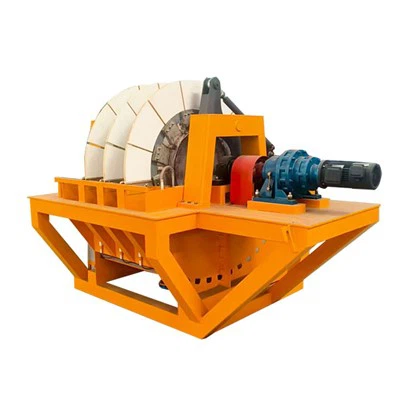
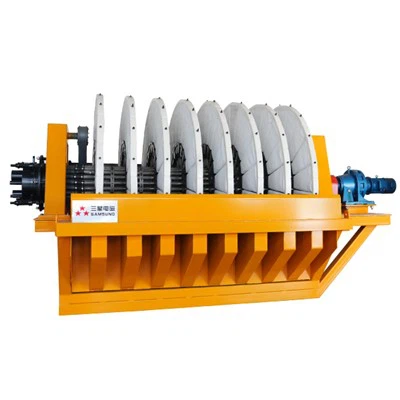
Hey there! As a supplier of Rotary Disc Filters, I often get asked about the materials used to make the discs in these nifty machines. So, I thought I'd take a moment to break it all down for you.
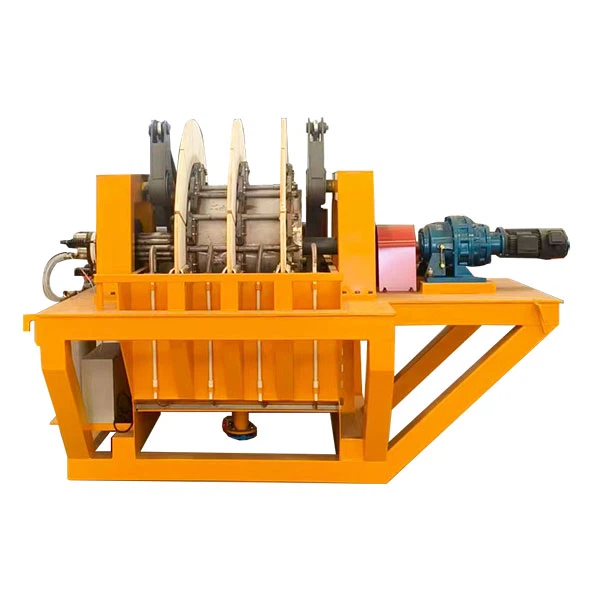
First off, let's talk a bit about what a Rotary Disc Filter is. If you're not familiar, you can check out more info here: Rotary Disc Filter. It's a type of filtration equipment that's widely used in various industries, like mining, chemical processing, and wastewater treatment. The discs in a Rotary Disc Filter play a crucial role in the filtration process. They're the parts that actually separate the solids from the liquids.
Now, onto the materials. There are several types of materials that can be used to make these discs, and each has its own set of pros and cons.
Polypropylene
One of the most common materials for Rotary Disc Filter discs is polypropylene. It's a thermoplastic polymer that's known for being lightweight, durable, and resistant to many chemicals. Polypropylene discs are great because they can handle a wide range of pH levels, from acidic to alkaline. This makes them suitable for use in different industrial processes where the chemical composition of the liquid being filtered can vary.
Another advantage of polypropylene is that it's relatively inexpensive compared to some other materials. This means that if you're on a budget, polypropylene discs can be a cost - effective option. They're also easy to manufacture, which allows for quick turnaround times if you need to replace or add discs to your filter.

However, polypropylene does have its limitations. It has a relatively low melting point, so it's not suitable for use in high - temperature applications. If the liquid being filtered is too hot, the polypropylene discs can warp or melt, which will obviously affect the performance of the filter.
Stainless Steel
Stainless steel is another popular choice for Rotary Disc Filter discs. It's a metal alloy that contains chromium, which gives it excellent corrosion resistance. This makes stainless steel discs ideal for use in harsh environments where the liquid being filtered is corrosive, such as in the chemical industry.
Stainless steel discs are also very strong and can withstand high pressures. This is important in applications where the filtration process requires a lot of force to separate the solids from the liquids. For example, in some mining operations, the slurry being filtered can be very thick and viscous, and stainless steel discs can handle the pressure without deforming.
On the downside, stainless steel is more expensive than polypropylene. The cost of the raw material and the manufacturing process are both higher, which means that the overall cost of the discs is also higher. Additionally, stainless steel is heavier than polypropylene, which can make the filter more difficult to install and operate.
Ceramic
Ceramic is a unique material that's increasingly being used in Rotary Disc Filters. You can learn more about Ceramic Disc Filter here. Ceramic discs have a very high porosity, which allows for efficient filtration. They can trap very fine particles, making them suitable for applications where a high level of filtration is required, such as in the pharmaceutical or food and beverage industries.
Ceramic is also highly resistant to wear and tear, as well as chemical corrosion. This means that ceramic discs have a long service life, which can save you money in the long run. They can operate in a wide range of temperatures, from very cold to very hot, without losing their performance.
However, ceramic discs are brittle. They can crack or break if they're not handled properly during installation or maintenance. Also, the manufacturing process for ceramic discs is complex and time - consuming, which can result in longer lead times if you need to order new discs.
Composite Materials
Composite materials are a combination of two or more different materials, each with its own properties. For example, a composite disc might have a polypropylene core for lightweight and chemical resistance, with a layer of stainless steel on the outside for added strength and corrosion resistance.
Composite materials offer the best of both worlds in some cases. They can be designed to meet specific requirements of an application, such as a combination of high strength, chemical resistance, and low weight. However, the development and manufacturing of composite materials can be more expensive and complex than using single - material discs.
So, how do you choose the right material for your Rotary Disc Filter discs? Well, it depends on several factors. The first thing you need to consider is the nature of the liquid being filtered. If it's a corrosive liquid, stainless steel or ceramic might be the best choice. If cost is a major concern and the temperature and chemical conditions are not too extreme, polypropylene could be a good option.
The operating conditions of the filter also play a role. If the filter will be operating at high pressures, you'll need a material that can withstand the force, like stainless steel. If the temperature of the liquid is high, you'll need to avoid materials with low melting points, such as polypropylene.
Another factor to consider is the level of filtration required. If you need to remove very fine particles, ceramic discs might be the way to go.
As a supplier, I've seen firsthand how the right choice of disc material can make a big difference in the performance and longevity of a Rotary Disc Filter. If you're in the market for a new filter or need to replace the discs in your existing one, I'd be more than happy to help you make the right decision.
Whether you're looking for a Rotary Disc Filter, a Disc Vacuum Filter, or any other type of filtration equipment, I can provide you with the information and support you need. Just reach out, and we can have a chat about your specific requirements.
In conclusion, there are several materials available for making the discs in a Rotary Disc Filter, each with its own advantages and disadvantages. By carefully considering the nature of the liquid being filtered, the operating conditions, and the level of filtration required, you can choose the material that's best suited for your application. And if you need any help with that decision, don't hesitate to get in touch. Let's work together to find the perfect solution for your filtration needs.
References
- "Filtration Handbook" by Christopher D. Metzger
- "Industrial Filtration Technology" by Peter A. Schweitzer