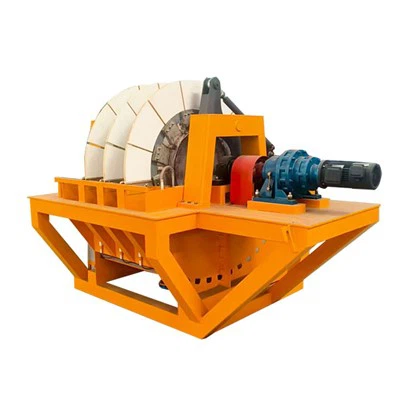
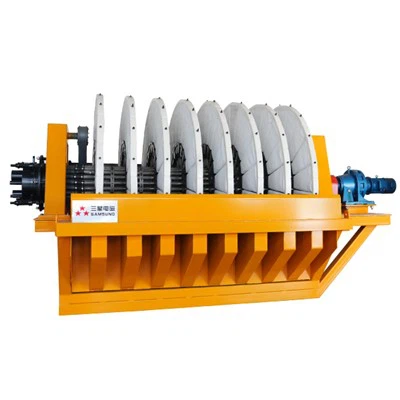
Hey there! As a supplier of Ceramic Disc Filter, I've seen firsthand how important it is to keep those ceramic discs in tip - top shape. Ceramic disc filters are a game - changer in the filtration industry, but the durability of the ceramic discs can sometimes be a headache. In this blog, I'm gonna share some tips on how to improve the durability of these ceramic discs.
Understanding the Basics of Ceramic Disc Filters
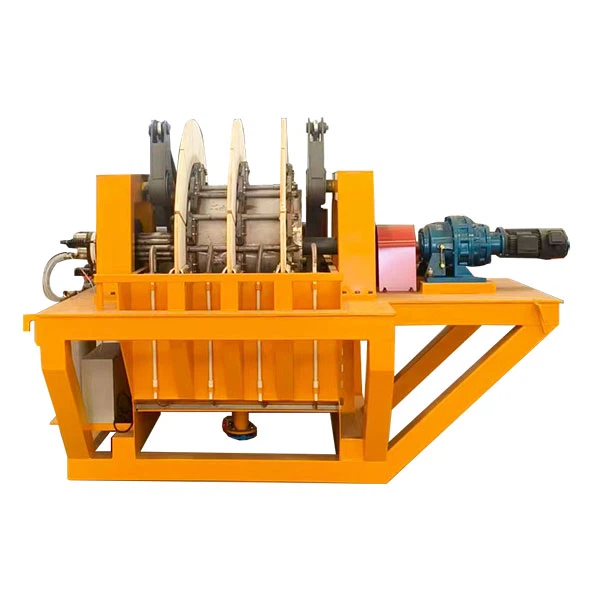
Before we jump into the ways to improve durability, let's quickly go over what ceramic disc filters are. These filters are widely used in various industries like mining, chemical, and food processing. They work by using a vacuum to draw liquid through the ceramic discs, leaving behind the solid particles. The Rotary Disc Filter and Rotary Vacuum Disc Filter are related types, but the ceramic disc filter offers some unique advantages, mainly due to the properties of the ceramic material.
Ceramic discs are made from special ceramic materials that have tiny pores. These pores allow the liquid to pass through while trapping the solids. However, over time, these pores can get clogged, and the discs can get damaged, reducing their efficiency and lifespan.
Proper Installation and Alignment
One of the first steps to improving the durability of ceramic discs is proper installation. When installing the ceramic discs in the filter, make sure they are correctly aligned. Misaligned discs can cause uneven wear and tear. The pressure distribution across the discs won't be uniform, which means some parts of the disc will experience more stress than others. This can lead to cracks and breakage.
During installation, follow the manufacturer's instructions carefully. Check the gaskets and seals to ensure they are in good condition. A faulty gasket can cause leaks, which not only affects the filtration process but also exposes the discs to unnecessary contaminants. These contaminants can clog the pores and damage the ceramic material.
Regular Cleaning and Maintenance
Cleaning is crucial for the longevity of ceramic discs. Regularly cleaning the discs helps to prevent the build - up of solids in the pores. There are different cleaning methods available, and the choice depends on the type of material being filtered.
One common cleaning method is backwashing. In backwashing, a reverse flow of liquid is applied to the discs to flush out the trapped solids. This should be done at regular intervals, depending on the operating conditions. For example, if the filter is used in a high - solids environment, more frequent backwashing may be required.
Another cleaning method is chemical cleaning. Certain chemicals can be used to dissolve stubborn deposits in the pores. However, be careful when using chemicals as they can also damage the ceramic material if not used correctly. Always follow the recommended chemical concentrations and contact times.
In addition to cleaning, regular maintenance checks are necessary. Inspect the discs for any signs of damage, such as cracks or chips. If you notice any damage, replace the disc immediately. Continuing to use a damaged disc can not only reduce the filtration efficiency but also cause further damage to other parts of the filter.
Controlling the Operating Conditions
The operating conditions of the ceramic disc filter have a significant impact on the durability of the discs. One of the key factors is the pressure. Operating the filter at excessive pressure can cause the ceramic discs to crack. Make sure to keep the pressure within the recommended range.

The temperature of the liquid being filtered also matters. Extreme temperatures can cause thermal stress on the ceramic discs, leading to cracking. If the liquid is too hot or too cold, consider using a heat exchanger or a cooler to bring the temperature within the acceptable range.
The concentration of solids in the liquid is another important factor. High solid concentrations can increase the rate of pore clogging. If possible, pre - treat the liquid to reduce the solid content before it enters the filter. This can significantly extend the lifespan of the ceramic discs.
Choosing the Right Ceramic Material
Not all ceramic materials are created equal. When selecting ceramic discs for your filter, choose a material that is suitable for your specific application. Different ceramic materials have different properties, such as porosity, chemical resistance, and mechanical strength.
For example, if you are filtering a corrosive liquid, choose a ceramic material with high chemical resistance. If the filtration process involves high - pressure operation, select a material with high mechanical strength. Working closely with a ceramic disc supplier who can provide expert advice on material selection can make a big difference in the durability of your discs.
Training the Operators
The people operating the ceramic disc filter play a crucial role in its performance and the durability of the discs. Provide proper training to the operators so that they understand how to operate the filter correctly. They should know how to monitor the operating conditions, perform regular cleaning and maintenance, and identify early signs of disc damage.
Operators should also be trained on safety procedures. Handling chemicals during cleaning and working with high - pressure equipment can be dangerous. By ensuring that the operators are well - trained, you can reduce the risk of accidents that could damage the ceramic discs.
Monitoring and Data Analysis
Implement a monitoring system to keep track of the performance of the ceramic disc filter. This can include monitoring parameters such as pressure, flow rate, and filtration efficiency. By analyzing the data collected from the monitoring system, you can detect any changes in the filter's performance early on.
For example, a sudden drop in filtration efficiency may indicate that the ceramic discs are clogged or damaged. By identifying these issues early, you can take corrective actions before the problem gets worse. This can help to extend the lifespan of the ceramic discs and reduce downtime.
Conclusion
Improving the durability of ceramic discs in a ceramic disc filter is a multi - faceted process. It involves proper installation, regular cleaning and maintenance, controlling the operating conditions, choosing the right ceramic material, training the operators, and monitoring the performance. By following these tips, you can significantly extend the lifespan of your ceramic discs, reduce operating costs, and improve the overall efficiency of your filtration process.
If you're interested in learning more about our Ceramic Disc Filter or have any questions about improving the durability of ceramic discs, feel free to reach out to us. We're always here to help you make the most of your filtration system. Let's have a chat and see how we can work together to meet your filtration needs.
References
- Smith, J. (2020). "Advanced Filtration Technologies". Publisher: Filtration Press.
- Johnson, A. (2019). "Ceramic Materials in Industrial Filtration". Journal of Industrial Materials, 25(3), 123 - 135.
- Brown, C. (2021). "Best Practices for Maintaining Filtration Equipment". Filtration Magazine, 45(2), 45 - 52.