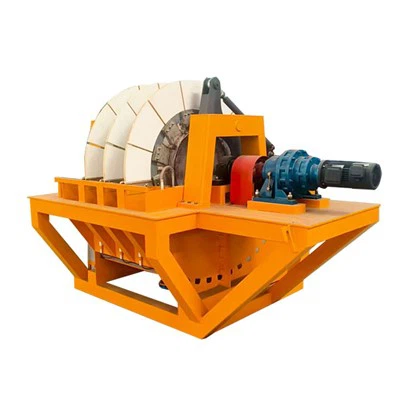
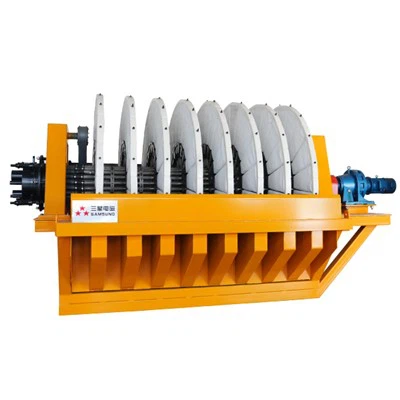
How often should the discs of a Rotary Vacuum Disc Filter be replaced?
As a supplier of Rotary Vacuum Disc Filters, I often encounter inquiries from customers regarding the replacement frequency of the discs in these filters. This is a crucial question as the timely replacement of discs can significantly impact the efficiency, performance, and overall lifespan of the filter system. In this blog post, I will delve into the factors that influence the disc replacement frequency and provide some guidelines to help you determine the optimal time for disc replacement.
Factors Affecting Disc Replacement Frequency
1. Operating Conditions
The operating conditions of the Rotary Vacuum Disc Filter play a major role in determining how often the discs need to be replaced. Firstly, the nature of the slurry being filtered is of utmost importance. If the slurry contains abrasive particles, such as sand or metal shavings, these particles can cause significant wear and tear on the discs over time. The constant rubbing and scratching of the abrasive particles against the disc surface can lead to the degradation of the disc material, reducing its filtering efficiency and eventually requiring replacement.
Secondly, the temperature and pH of the slurry also matter. High - temperature slurries can cause the disc material to expand or contract, which may lead to cracking or warping. Similarly, highly acidic or alkaline slurries can corrode the disc material, weakening its structure. For example, in a mining operation where the slurry has a high content of sulfuric acid due to the presence of certain minerals, the discs may experience accelerated corrosion and need to be replaced more frequently.
2. Filtration Pressure
The filtration pressure applied during the operation of the Rotary Vacuum Disc Filter is another critical factor. Higher filtration pressures can put more stress on the discs. When the pressure is too high, it can cause the disc to deform or rupture. This is especially true if the disc material is not designed to withstand such high pressures. In addition, excessive pressure can force the slurry through the disc at a faster rate, increasing the likelihood of clogging and reducing the disc's filtering capacity. As a result, discs operating under high - pressure conditions may need to be replaced more often compared to those in low - pressure applications.
3. Disc Material and Quality
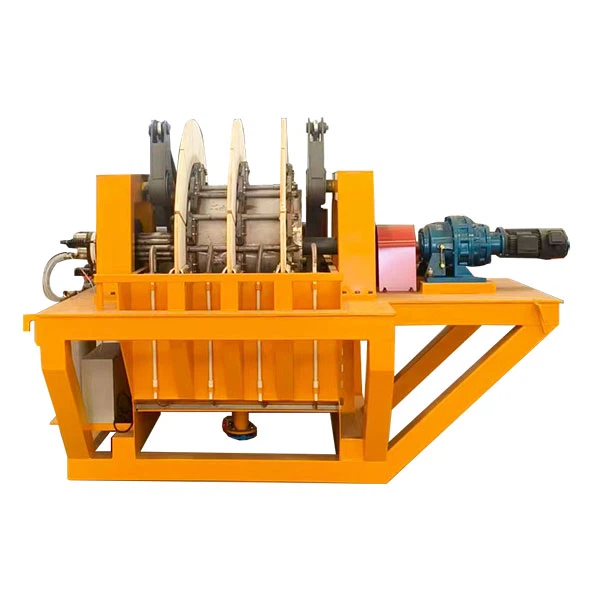
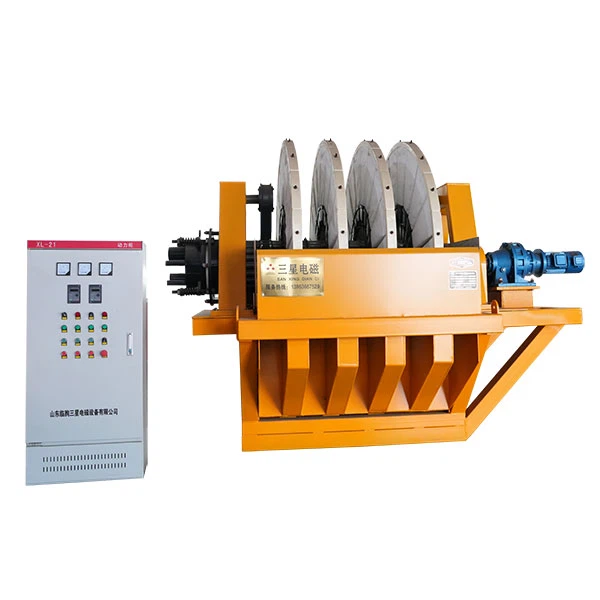
The type of material used to manufacture the discs and its quality directly affect the replacement frequency. Different materials have different resistance to wear, corrosion, and chemical attack. For instance, ceramic discs are known for their high chemical resistance and excellent filtration performance. They can withstand harsh chemical environments and abrasive slurries better than some other materials. However, they may be more brittle and prone to cracking if not handled properly.
On the other hand, synthetic polymer - based discs are more flexible and less likely to crack under normal operating conditions. But they may be more susceptible to chemical degradation in certain environments. Higher - quality discs, regardless of the material, are generally more durable and can last longer. They are often manufactured with better - controlled processes and quality assurance measures, which result in a more consistent and reliable product.
4. Maintenance and Cleaning
Proper maintenance and cleaning of the Rotary Vacuum Disc Filter can significantly extend the lifespan of the discs. Regular cleaning can prevent the buildup of solids on the disc surface, which can otherwise lead to clogging and reduced filtration efficiency. If the discs are not cleaned regularly, the accumulated solids can harden and become difficult to remove, eventually causing permanent damage to the disc.
Moreover, routine maintenance checks can help detect early signs of wear or damage to the discs. For example, inspecting the discs for cracks, holes, or signs of deformation can allow for timely replacement before the problem worsens. A well - maintained filter system with a proper cleaning schedule can often go longer between disc replacements compared to a system that is neglected.
General Guidelines for Disc Replacement
Based on our experience and industry knowledge, here are some general guidelines for disc replacement:
1. Low - Abrasion and Mild - Chemical Applications
In applications where the slurry is relatively low in abrasives and has a mild chemical composition, and the filtration pressure is within the normal range, the discs may last anywhere from 6 months to 1 year. For example, in a water treatment plant where the water being filtered has a low solid content and a near - neutral pH, the discs can maintain their performance for an extended period.
2. High - Abrasion or Harsh - Chemical Applications
In more demanding applications, such as mining or chemical processing, where the slurry contains high levels of abrasives or has a harsh chemical nature, the discs may need to be replaced every 3 to 6 months. In a copper mining operation, for instance, the slurry may contain large amounts of abrasive rock particles and acidic compounds, which can rapidly wear down the discs.
3. High - Pressure Applications
When the Rotary Vacuum Disc Filter is operating under high - pressure conditions, regardless of the slurry characteristics, the discs may require replacement every 3 to 4 months. The high pressure places additional stress on the discs, increasing the risk of damage and reducing their lifespan.
It's important to note that these are just general guidelines, and the actual replacement frequency may vary depending on the specific circumstances of each application. Regular monitoring of the filter performance, including parameters such as filtration rate, cake thickness, and vacuum level, can provide valuable insights into the condition of the discs and help determine the optimal replacement time.
The Importance of Timely Disc Replacement
Timely replacement of the discs in a Rotary Vacuum Disc Filter is essential for several reasons. Firstly, it ensures the continued efficiency of the filtration process. As the discs wear out, their filtering capacity decreases, leading to a lower filtration rate and poorer cake quality. This can result in increased production costs due to longer processing times and lower product quality.
Secondly, replacing the discs on time can prevent damage to other components of the filter system. A damaged or clogged disc can cause uneven pressure distribution, which can put additional stress on the vacuum system, motor, and other parts of the filter. This can lead to premature failure of these components, resulting in costly repairs and downtime.
Related Products
If you are interested in exploring other types of filters, we also offer Ceramic Disc Filter, Rotary Disc Filter, and Disc Vacuum Filter. These filters have their own unique features and advantages, and they may be suitable for different applications depending on your specific needs.
Conclusion
Determining how often to replace the discs of a Rotary Vacuum Disc Filter is a complex decision that depends on multiple factors such as operating conditions, filtration pressure, disc material, and maintenance practices. By understanding these factors and following the general guidelines provided, you can optimize the disc replacement schedule for your filter system. This will not only ensure the efficient operation of your filtration process but also help you save costs in the long run.
If you have any questions about Rotary Vacuum Disc Filters or need assistance in determining the appropriate disc replacement frequency for your application, please feel free to contact us for a detailed discussion and professional advice. We are committed to providing you with the best solutions for your filtration needs.
References
- Smith, J. (2018). Filtration Technology Handbook. Elsevier.
- Johnson, A. (2020). Advanced Filtration Systems in Industrial Processes. CRC Press.