Introduction
Magnetic separation is an important technology in modern mineral processing and material purification. It is widely used to remove unwanted ferrous contaminants, recover valuable magnetic minerals, and improve the quality of processed materials. With the development of mining, metallurgy, construction materials, ceramics, and recycling industries, magnetic separation equipment is becoming more efficient, energy-saving, and adaptable.
1. Increasing Demand for High-Efficiency Magnetic Separators
Modern mineral processing plants require equipment with higher separation efficiency and greater processing capacity. Magnetic separators are increasingly designed with optimized magnetic circuits, stronger magnetic fields, and improved material feeding systems.
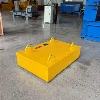
Permanent magnetic separators are particularly popular because they can provide continuous separation without consuming additional electrical energy to generate the magnetic field. They are suitable for many applications where stable and economical operation is required.
2. Wide Application in Different Industries
Magnetic separation technology is not limited to iron ore processing. Today, magnetic separators are widely used in:
Iron ore beneficiation
Mining and mineral processing
Coal preparation
Metallurgy
Cement production
Ceramic raw material processing
Glass manufacturing
Chemical industries
Recycling and waste treatment
Different applications require different magnetic field strengths, separation methods, and equipment structures. Therefore, selecting the appropriate magnetic separator according to material characteristics is essential.
3. Development of Automatic Iron Removal Systems
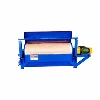
Automatic iron removal has become increasingly important in continuous production lines. Hanging permanent magnet iron separators and self-cleaning electromagnetic separators can continuously remove tramp iron from conveyor belts.
These systems help protect crushers, mills, screens, and other downstream equipment from metal damage. They can also reduce manual cleaning requirements and improve overall production efficiency.
4. Energy Saving and Environmental Protection
Energy efficiency is becoming a major consideration when customers select mineral processing equipment. Permanent magnetic equipment can reduce energy consumption because it does not require continuous electrical power to create a magnetic field.
In addition, modern equipment focuses on reducing maintenance requirements, minimizing material loss, and improving equipment service life. These advantages can help processing plants lower operating costs and improve environmental performance.
5. Importance of Equipment Selection
The performance of a magnetic separation system depends on several factors, including:
Magnetic susceptibility of the material
Particle size
Material moisture
Processing capacity
Required separation purity
Feed concentration
Conveyor belt speed
Required magnetic field intensity
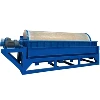
For example, dry magnetic separators are generally suitable for relatively dry materials, while wet magnetic separators are commonly used for fine mineral particles in slurry form.
6. Future Development of Magnetic Separation Technology
The future development of magnetic separation equipment will focus on higher separation efficiency, automation, energy conservation, and intelligent operation.
Manufacturers are expected to continue improving magnetic circuit design, automatic control systems, equipment durability, and customized solutions. Combined with other mineral processing technologies, magnetic separation will continue to play an important role in efficient and sustainable mineral processing.
Conclusion
Magnetic separation equipment is an essential part of many modern mineral processing and material purification systems. From permanent magnetic separators and electromagnetic separators to automatic iron removers and wet magnetic separation equipment, different technologies can meet the requirements of various industrial applications.
For processing plants, choosing the right magnetic separation equipment according to material characteristics and production requirements is the key to achieving stable separation performance, lower operating costs, and higher production efficiency.