Introduction
Mineral processing equipment plays a vital role in the mining industry. From raw ore handling to mineral separation, dewatering, and final product preparation, every stage of the processing workflow affects production efficiency, product quality, and operating costs.
Selecting the right mineral processing equipment requires a clear understanding of material properties, production capacity, processing methods, and the desired final product. This guide explains the key factors to consider when choosing equipment for modern mining and mineral processing operations.
1. Understand the Characteristics of Raw Materials
Before selecting mineral processing equipment, it is important to understand the physical and chemical characteristics of the material.
Key factors include particle size, moisture content, mineral composition, magnetic susceptibility, and impurity levels. These properties determine which processing methods are most suitable.
For example, materials containing magnetic minerals may benefit from magnetic separation, while fine mineral particles mixed with water may require wet separation and dewatering equipment.
A detailed analysis of raw materials helps operators choose appropriate equipment and develop a more efficient processing workflow.
2. Select the Appropriate Magnetic Separation Equipment
Magnetic separation is widely used in iron ore beneficiation, non-metallic mineral purification, and industrial material processing. Different magnetic separators are designed for different materials and operating conditions.
Permanent Magnetic Separators
Permanent magnetic separators use permanent magnets to generate a magnetic field without continuous electrical excitation. They are commonly used for magnetic mineral recovery and iron impurity removal.
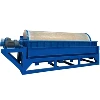
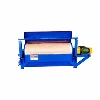
Depending on the application, drum magnetic separators and other permanent magnetic separation systems can be used in dry or wet processing operations.
Electromagnetic Separators
Electromagnetic separators generate magnetic fields through energized coils. They can be designed for applications requiring adjustable magnetic intensity or specialized iron removal performance.
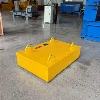
Suspended electromagnetic iron separators are frequently used above conveyor belts to remove ferrous contaminants from bulk materials in mining, cement, power generation, and other industries.
High-Intensity Magnetic Separators
High-intensity magnetic separators are suitable for selected applications involving weakly magnetic minerals or fine material purification. Equipment selection depends on the magnetic properties of the target minerals, particle size, and required separation performance.
Choosing the correct magnetic separator can improve product quality, support mineral recovery, and reduce unwanted impurities.
3. Consider Processing Capacity and Production Requirements
Processing capacity is another important factor when purchasing mining equipment. Equipment that cannot handle the required throughput may create production bottlenecks, while excessive capacity can increase initial investment and operating costs.
Before choosing a machine, buyers should evaluate:
Required processing capacity per hour
Material feed rate and particle size distribution
Continuous or intermittent operation requirements
Available installation space
Compatibility with existing production lines
Expected future production expansion
Matching equipment capacity with actual operating requirements helps maintain stable production and improve overall process efficiency.
4. Evaluate Dewatering and Filtration Requirements
Dewatering is an essential stage in many mineral processing operations. After wet separation, mineral concentrates and tailings often contain significant amounts of water that must be removed before further handling, storage, or transportation.
Industrial vacuum filtration equipment can help separate solids from liquids and reduce the moisture content of suitable mineral materials.
When selecting a vacuum filter, buyers should consider slurry characteristics, solid particle size, feed concentration, filtration area, target moisture content, and required processing capacity.
Efficient filtration can support water recovery, improve material handling, and reduce the amount of moisture transported with the final product. Actual performance depends on the material properties and operating conditions.
5. Improve Material Screening and Classification
Screening equipment helps classify materials according to particle size and remove oversized or undersized particles from a production stream.
In mineral processing, vibrating screens and high-frequency vibrating screens can be used for grading, fine material separation, and selected dewatering applications.
The appropriate screening equipment depends on material size, feed rate, moisture, desired separation accuracy, and screen surface characteristics.
Proper screening can improve downstream equipment performance and help maintain a consistent final product.
6. Protect Processing Equipment with Metal Detection and Iron Removal
Tramp iron and other unwanted metal objects can damage crushers, mills, conveyors, and other industrial machinery.
Magnetic iron removers and metal detection systems provide different but complementary functions. Magnetic separators remove suitable ferrous contaminants, while metal detectors identify metal objects within a monitored material stream according to their detection capabilities.
In some applications, combining metal detection with an automatic removal mechanism provides an additional layer of equipment protection.
The choice of system should consider the type of metal to be detected, conveyor width and speed, material characteristics, installation conditions, and the required response mechanism.
7. Consider Energy Consumption and Maintenance Costs
The purchase price is only one part of the total cost of owning mineral processing equipment. Energy consumption, replacement parts, maintenance labor, downtime, and service life can significantly affect long-term operating expenses.
Buyers should compare equipment based on its suitability for the intended application, expected operating conditions, maintenance requirements, and overall lifecycle cost.
Equipment with an appropriate design, accessible maintenance points, reliable components, and a suitable control system can help improve operational stability.
It is also important to evaluate technical support, spare parts availability, installation guidance, and after-sales service when selecting an equipment supplier.
Conclusion
Choosing the right mineral processing equipment requires more than comparing prices or machine specifications. Buyers need to evaluate material properties, processing capacity, separation requirements, dewatering needs, equipment protection, energy consumption, and long-term maintenance costs.
Magnetic separators, iron removal systems, vibrating screens, vacuum filters, and metal detection equipment each serve specific functions in modern mining and mineral processing operations.
By matching equipment to actual production requirements and working with an experienced manufacturer, mining companies can improve process stability, enhance product quality, and achieve more efficient resource utilization.
If you are planning a new mineral processing project or upgrading an existing production line, carefully evaluating your material characteristics and technical requirements is an important first step toward selecting suitable equipment.