As a supplier of metal detectors, I've encountered numerous situations where the performance of these devices is affected by various factors. Metal detectors are widely used in industries such as food processing, pharmaceuticals, textiles, and recycling to ensure product quality and safety by detecting and removing metallic contaminants. However, several elements can interfere with a metal detector's signal, leading to inaccurate readings or false alarms. In this blog post, I'll explore these interfering factors in detail and discuss how to mitigate their impact.
1. Environmental Conditions
Magnetic Fields
External magnetic fields can have a significant impact on a metal detector's signal. The Earth itself has a magnetic field, but in industrial settings, there are often stronger magnetic fields generated by equipment such as motors, transformers, and generators. These magnetic fields can induce currents in the metal detector's coils, causing false signals. For example, in a factory with large electric motors running nearby, the magnetic fields produced by these motors can interfere with the metal detector's operation.
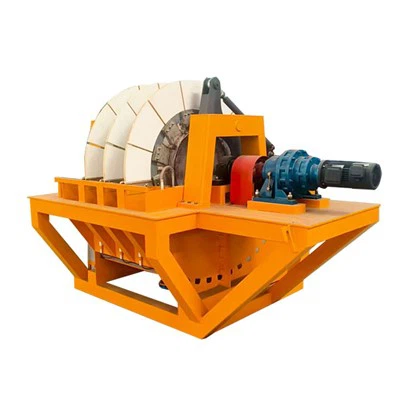
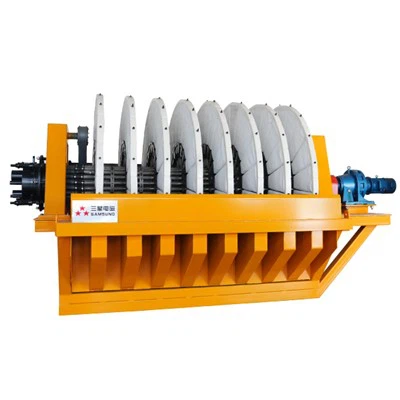
To reduce the influence of magnetic fields, metal detectors should be installed away from large electrical equipment. Additionally, some advanced metal detectors are equipped with anti - interference technology that can compensate for the effects of external magnetic fields. Our Magnetic Mineral Metal Detector is designed to handle such challenging environments with its enhanced magnetic field compensation capabilities.
Temperature and Humidity
Extreme temperatures and high humidity can also affect a metal detector's performance. Temperature changes can cause the expansion or contraction of the metal detector's components, which may alter the electrical properties of the coils and other parts. High humidity can lead to corrosion of the metal parts and increase the electrical conductivity of the air around the detector, both of which can interfere with the signal.
In high - temperature environments, proper ventilation and cooling systems should be installed to maintain the metal detector at an optimal operating temperature. For humid conditions, the metal detector should be protected with moisture - resistant enclosures. Regular maintenance and inspection are also crucial to ensure the detector's components are in good condition.
2. Product Characteristics
Product Effect
The product being inspected can have a significant impact on the metal detector's signal. Some products, such as wet or salty foods, have high electrical conductivity, which can create a signal similar to that of a metal contaminant. This is known as the product effect. For example, in the food industry, products like pickles or brined meats can cause false alarms due to their high salt content.
To overcome the product effect, modern metal detectors use advanced signal processing algorithms. These algorithms can distinguish between the signal caused by the product and that of a real metal contaminant. Our Belt Conveyor Metal Detector is equipped with state - of - the - art signal processing technology that can effectively reduce the influence of the product effect, ensuring accurate detection of metal contaminants.
Product Shape and Size
The shape and size of the product can also affect the metal detector's performance. Irregularly shaped products may not pass through the metal detector's detection zone uniformly, which can lead to inconsistent signals. Large products may require a larger detection aperture, which can reduce the detector's sensitivity.
When dealing with products of different shapes and sizes, it's important to select the appropriate metal detector model. Some metal detectors can be adjusted to accommodate different product dimensions and shapes. Custom - designed metal detectors can also be developed for specific products to ensure optimal performance.


3. Installation and Calibration
Improper Installation
Incorrect installation of the metal detector can lead to signal interference. If the detector is not installed level or if the conveyor belt is misaligned, the product may not pass through the detection zone correctly, causing false signals. Additionally, the distance between the metal detector and other equipment or structures can affect its performance.
During installation, it's essential to follow the manufacturer's instructions carefully. The metal detector should be installed on a stable surface, and the conveyor belt should be properly aligned. Adequate clearance should be maintained around the detector to avoid interference from other objects.
Incorrect Calibration
Calibration is a critical step in ensuring the accurate operation of a metal detector. If the detector is not calibrated correctly, it may not be able to detect metal contaminants accurately or may generate false alarms. Calibration involves setting the detector's sensitivity and threshold levels based on the type of product being inspected and the size of the metal contaminants to be detected.
Regular calibration checks should be performed to ensure the metal detector's performance remains consistent. Our GJT - B Metal Detectors come with easy - to - use calibration procedures, allowing operators to quickly and accurately calibrate the detector for different products.
4. Electrical Interference
Radio Frequency Interference (RFI)
Radio frequency interference from sources such as mobile phones, Wi - Fi routers, and radio transmitters can interfere with a metal detector's signal. RFI can cause the detector to generate false alarms or reduce its sensitivity. In industrial environments, there may be multiple sources of RFI, making it a significant challenge for metal detector operation.
To reduce RFI, metal detectors should be shielded to prevent radio waves from entering the detection area. Additionally, the detector should be operated on a frequency that is less susceptible to interference. Some metal detectors are designed with built - in RFI filters to block out unwanted radio signals.
Electrical Noise
Electrical noise from other equipment in the facility, such as fluorescent lights, variable - speed drives, and power supplies, can also interfere with the metal detector's signal. Electrical noise can introduce random fluctuations in the detector's output, making it difficult to distinguish between real metal signals and noise.
Proper grounding and the use of electrical filters can help reduce electrical noise. The metal detector should be connected to a clean power source to minimize the impact of electrical noise.
Mitigating Signal Interference
To ensure the reliable operation of metal detectors, it's important to take a comprehensive approach to mitigating signal interference. This includes proper installation, regular maintenance, and the use of advanced technology. When selecting a metal detector, consider the specific requirements of your application, such as the type of product being inspected, the environment in which the detector will be used, and the level of sensitivity needed.
Our company offers a wide range of metal detectors, including the Magnetic Mineral Metal Detector, Belt Conveyor Metal Detector, and GJT - B Metal Detectors, which are designed to handle various signal - interference challenges. If you're facing issues with signal interference in your metal detection process or are looking for a high - performance metal detector, we're here to help. Contact us for more information and to discuss your specific needs. Our team of experts can provide you with customized solutions to ensure accurate and reliable metal detection in your operations.
References
- "Metal Detection Handbook" by a leading industry expert.
- Technical documentation from major metal detector manufacturers.
- Research papers on the impact of environmental factors and product characteristics on metal detector performance.