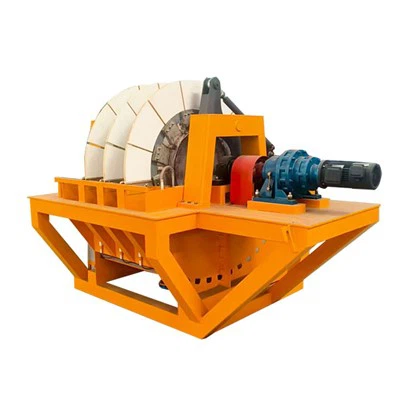
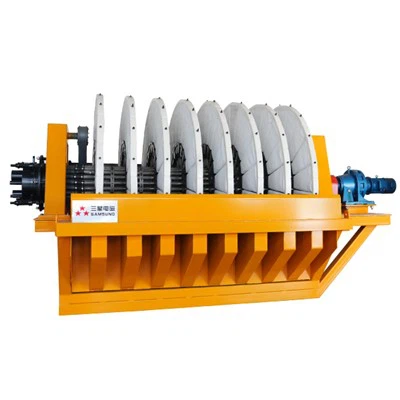
Hey there! As a supplier of GJT - B Metal Detectors, I know how important it is to have your detector calibrated correctly. A well - calibrated metal detector can significantly improve its performance and help you detect metal accurately. In this blog, I'm going to walk you through how to calibrate GJT - B Metal Detectors.
Why Calibration is Crucial
Before we dive into the calibration process, let me quickly explain why calibration is so important. Metal detectors work by detecting changes in a magnetic field caused by the presence of metal. Over time, factors like temperature, humidity, and surrounding electromagnetic interference can affect the detector's accuracy. Calibration ensures that the detector is sensitive enough to pick up on even the smallest metal objects while avoiding false alarms from other materials.
Pre - calibration Check
Before you start the calibration process, there are a few things you need to do. First, make sure your GJT - B Metal Detector is in good working condition. Check for any visible damage, such as cracked casings or loose wires. Also, make sure the power supply is stable and the battery is fully charged if it's a battery - operated model.
Next, find a suitable location for calibration. It should be an area away from large metal objects, motors, and other sources of electromagnetic interference. A clean, open space inside a building is usually a good choice.
The Calibration Process
Step 1: Initial Setup
Turn on your GJT - B Metal Detector and let it warm up for about 5 - 10 minutes. This allows the internal components to reach a stable operating temperature. During this time, you can also familiarize yourself with the control panel of the detector.
Most GJT - B Metal Detectors have an LCD display and a set of buttons for operation. Use the buttons to navigate to the calibration menu. The exact steps may vary depending on the model, but generally, you'll need to look for an option like "Calibration" or "Setup."
Step 2: Ground Balancing
Ground balancing is a crucial part of the calibration process, especially if you're using the detector outdoors. Different types of soil contain varying amounts of minerals, some of which can cause false signals. To ground balance your detector:
- First, place the search coil flat on the ground. Make sure it's in contact with the surface evenly.
- Use the ground balancing function on your detector. Some models have an automatic ground balancing option, while others require manual adjustment.
- If it's an automatic mode, just press the corresponding button, and the detector will analyze the ground and adjust itself. For manual adjustment, you'll need to turn a knob or use the up/down buttons on the control panel until the detector gives a stable reading or a specific signal indicating proper ground balance.
Step 3: Sensitivity Adjustment
The sensitivity of the detector determines how well it can detect metal objects. If the sensitivity is too low, it may miss small or deeply buried metal. If it's too high, the detector may give false alarms.
- Start by setting the sensitivity to a medium level. You can do this by using the sensitivity adjustment button or knob on the control panel.
- Then, take a test object, such as a small metal coin or a piece of wire. Hold it about 6 - 8 inches above the search coil.
- Slowly move the test object in different directions and at different angles. The detector should give a clear signal when the object is within range.
- If the detector doesn't detect the object well, gradually increase the sensitivity. If it starts giving false alarms easily, decrease the sensitivity. Keep adjusting until you find the right balance.
Step 4: Discrimination Setup (Optional)
Some GJT - B Metal Detectors come with a discrimination feature. This allows you to ignore certain types of metal, such as iron, while still detecting others like gold or silver.
- Navigate to the discrimination menu on the control panel.
- Use the buttons to set the discrimination level. You can usually adjust it on a scale, where lower numbers mean less discrimination (more metals will be detected) and higher numbers mean more discrimination (certain metals will be ignored).
- To test the discrimination setting, take different types of metal objects and hold them one by one over the search coil. Make sure the detector responds as expected according to your discrimination setting.
Post - calibration Testing
After you've completed the calibration process, it's important to test the detector again. Use a variety of metal objects, including different sizes and types, and test them at different depths and distances from the search coil.
Walk around the area where you'll be using the detector and check for any false alarms. If you encounter any problems, go back and readjust the calibration settings.
Regular Calibration Schedule
Calibration isn't a one - time thing. It's recommended to calibrate your GJT - B Metal Detector regularly. If you're using the detector frequently, once a week or every two weeks is a good schedule. If it's used less often, you can calibrate it once a month.


Other Related Metal Detectors
If you're interested in other types of metal detectors, we also offer the Magnetic Mineral Metal Detector and the Belt Conveyor Metal Detector. These detectors are designed for specific applications and have their own unique calibration requirements.
Conclusion
Calibrating your GJT - B Metal Detector is not as complicated as it may seem. By following these steps and performing regular calibration, you can ensure that your detector works at its best. Whether you're a professional treasure hunter or using the detector for industrial purposes, a properly calibrated GJT - B Metal Detectors will save you time and effort.
If you have any questions about calibration or are interested in purchasing a GJT - B Metal Detector, feel free to reach out. We're here to assist you with all your metal detection needs and can provide more in - depth guidance on calibration and detector usage.
References
- Manufacturer's Manual for GJT - B Metal Detectors
- General knowledge on metal detector technology and operation