Can a high frequency vibrating screen be used in hazardous environments? Well, that's a question I've been asked quite a bit lately, especially since I'm a supplier of high frequency vibrating screens. I'm here to break it down for you and give you the lowdown on whether these screens can handle the tough stuff.
First off, let's talk about what a high frequency vibrating screen is. It's a piece of equipment that uses high - frequency vibrations to separate materials of different sizes. It's super efficient and can handle a wide range of materials, from fine powders to larger particles. You can check out some of our models like the Double - layer Electromagnetic Vibrating Screen and the Electromagnetic Vibrating Screen on our website.
Now, when it comes to hazardous environments, we're talking about places where there are risks like explosions, chemical spills, or extreme temperatures. These are not your average workplaces, and any equipment used there has to be up to the task.
One of the main concerns in hazardous environments is the risk of explosion. In areas where there are flammable gases, dusts, or vapors, a spark from the equipment can set off a huge blast. High frequency vibrating screens, if not properly designed, can be a source of such sparks. But here's the good news: our screens are built with explosion - proof features. We use special materials and construction methods to ensure that there are no potential ignition sources. For example, we use non - sparking metals in critical parts of the screen, and the electrical components are enclosed in explosion - proof housings. This way, even in a high - risk environment, our screens can operate safely.
Another issue in hazardous environments is corrosion. Chemicals in the air or on the materials being processed can eat away at the screen over time. This not only reduces the lifespan of the equipment but can also affect its performance. Our high frequency vibrating screens are made with corrosion - resistant materials. We coat the screens with special paints and use stainless steel in areas that are most likely to come into contact with corrosive substances. This helps to protect the screen from damage and ensures that it keeps working effectively for a long time.
Extreme temperatures are also a challenge. In some industrial settings, the temperature can be either extremely hot or extremely cold. High temperatures can cause the materials in the screen to expand and warp, while low temperatures can make them brittle. Our screens are designed to withstand a wide range of temperatures. We use heat - resistant and cold - resistant materials in the construction. For example, the rubber parts of the screen are made from a special compound that can remain flexible even in freezing temperatures, and the metal parts can handle high heat without losing their strength.

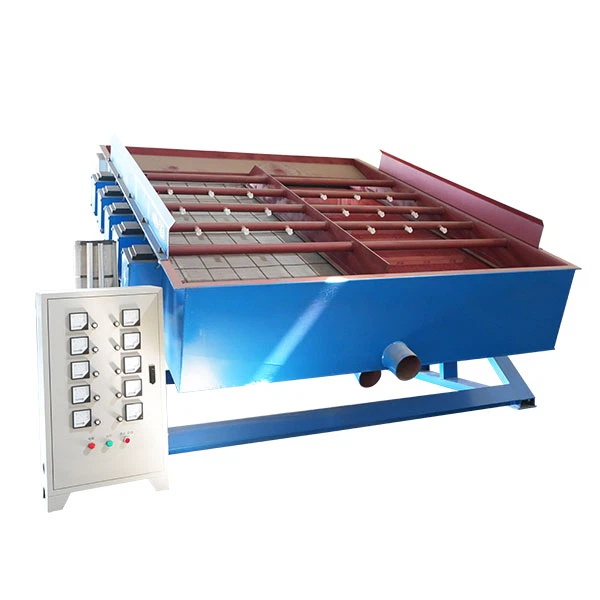
Now, let's talk about the performance of our high frequency vibrating screens in these tough conditions. Even in hazardous environments, the screen has to do its job of separating materials accurately. Our screens are equipped with advanced vibration control systems. These systems allow us to adjust the frequency and amplitude of the vibrations according to the specific requirements of the application. Whether you're separating fine powders in a chemical plant or large rocks in a mining operation, our screens can be tuned to give you the best results.
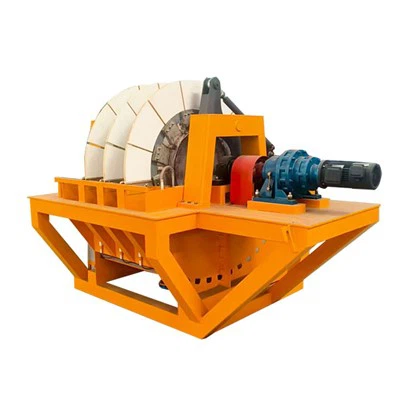
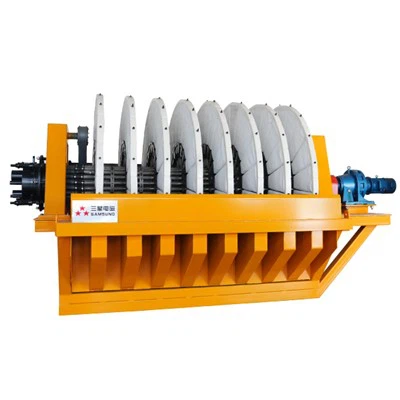
The Vibrating Dewatering Screen is another great option for hazardous environments. It's designed to remove water from the materials being processed, which is often necessary in industries like mining and wastewater treatment. In these industries, there are usually a lot of chemicals and contaminants, so the screen has to be able to handle them. Our dewatering screen is built with the same safety and durability features as our other high frequency vibrating screens.
But it's not just about the design and construction of the screen. We also provide comprehensive support and maintenance services. We have a team of experts who can come to your site and install the screen properly. They'll make sure that it's set up correctly and that all the safety features are working as they should. And if there are any issues down the line, we're just a phone call away. We offer regular maintenance checks to keep the screen in top condition and to prevent any potential problems.
So, to answer the question, yes, a high frequency vibrating screen can be used in hazardous environments. Our screens are specifically designed to meet the challenges of these tough conditions. They offer safety, durability, and high - performance separation.
If you're in an industry that requires equipment for hazardous environments, I encourage you to consider our high frequency vibrating screens. We've got a range of models to suit different needs, and we're confident that we can provide you with the right solution. Whether you're in mining, chemical processing, or any other industry with hazardous conditions, our screens can help you get the job done safely and efficiently. Contact us today to start a conversation about your requirements and let's see how we can work together to solve your screening problems.
References
- Industry standards for equipment in hazardous environments (e.g., NFPA 70, IEC 60079)
- Manufacturer's guidelines for high frequency vibrating screens
- Research on materials and construction methods for explosion - proof and corrosion - resistant equipment