What is the role of the control system in a disc vacuum filter?
As a proud supplier of Disc Vacuum Filters, I've witnessed firsthand the critical role that the control system plays in the efficiency, performance, and overall functionality of these remarkable machines. In this blog post, I'll explore the various functions and benefits of the control system in a disc vacuum filter, shedding light on why it's an essential component for any industrial operation.
Understanding the Disc Vacuum Filter
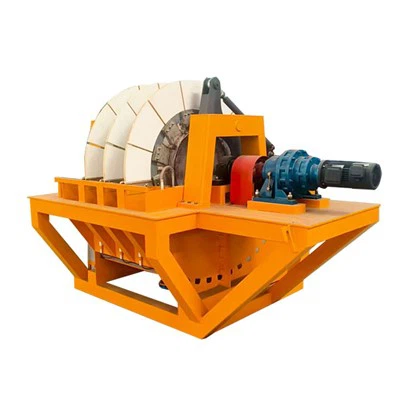
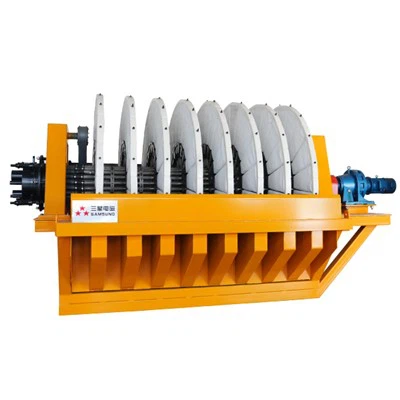
Before delving into the role of the control system, let's briefly review what a disc vacuum filter is and how it works. A disc vacuum filter is a type of filtration equipment used to separate solids from liquids in various industries, including mining, chemical processing, food and beverage, and wastewater treatment.
The basic principle of a disc vacuum filter involves a rotating disc or series of discs covered with a filter medium, such as a cloth or membrane. As the discs rotate through a slurry or suspension, the liquid is drawn through the filter medium by a vacuum, leaving the solids behind on the surface of the discs. The filtered solids are then removed from the discs using a scraper or other discharge mechanism, and the process continues.
The Role of the Control System
The control system in a disc vacuum filter is responsible for managing and regulating all aspects of the filtration process, ensuring optimal performance, efficiency, and safety. Here are some of the key roles and functions of the control system:
-
Process Automation: One of the primary functions of the control system is to automate the filtration process, reducing the need for manual intervention and improving consistency and accuracy. The control system can control the speed of the rotating discs, the vacuum level, the flow rate of the slurry, and other parameters, ensuring that the filtration process operates at peak efficiency.
-
Monitoring and Feedback: The control system continuously monitors the performance of the disc vacuum filter, collecting data on various parameters such as pressure, temperature, flow rate, and moisture content. This data is then used to provide feedback to the operator, allowing them to make adjustments to the process as needed to optimize performance and prevent problems.
-
Safety and Protection: The control system also plays a crucial role in ensuring the safety of the operator and the equipment. It can monitor for potential hazards, such as overpressure, overheating, or clogging, and take appropriate action to prevent damage to the equipment or injury to the operator. For example, if the vacuum level exceeds a certain limit, the control system can automatically shut off the filter to prevent damage to the vacuum pump.
-
Integration with Other Systems: In many industrial applications, the disc vacuum filter is part of a larger process system, and the control system needs to be able to integrate with other equipment and control systems. The control system can communicate with other systems, such as pumps, valves, and conveyors, to ensure that the entire process operates smoothly and efficiently.
Benefits of a Advanced Control System
Investing in a disc vacuum filter with an advanced control system offers several benefits for industrial operators, including:
-
Improved Efficiency: By automating the filtration process and optimizing the operating parameters, an advanced control system can significantly improve the efficiency of the disc vacuum filter. This can result in higher throughput, lower energy consumption, and reduced operating costs.
-
Enhanced Product Quality: The control system can ensure that the filtration process is consistent and accurate, resulting in a higher quality of the filtered product. This is particularly important in industries where product quality is critical, such as food and beverage or pharmaceutical manufacturing.
-
Reduced Maintenance Costs: With continuous monitoring and feedback, the control system can detect potential problems early on, allowing for proactive maintenance and preventing costly breakdowns. This can result in reduced maintenance costs and increased uptime for the disc vacuum filter.
-
Increased Safety: By providing safety features such as overpressure protection and automatic shutdown, the control system can help to protect the operator and the equipment from potential hazards. This can reduce the risk of accidents and injuries in the workplace.
Types of Control Systems
There are several types of control systems available for disc vacuum filters, each with its own advantages and disadvantages. Some of the most common types of control systems include:
-
PLC (Programmable Logic Controller) Control Systems: PLC control systems are widely used in industrial applications due to their flexibility, reliability, and ease of programming. They can be customized to meet the specific requirements of the disc vacuum filter and can be easily integrated with other equipment and control systems.
-
DCS (Distributed Control System) Control Systems: DCS control systems are typically used in large-scale industrial applications where multiple processes need to be controlled and monitored. They offer a high level of automation and control, as well as advanced features such as data logging and remote monitoring.
-
SCADA (Supervisory Control and Data Acquisition) Control Systems: SCADA control systems are used to monitor and control industrial processes from a central location. They offer real-time data acquisition and visualization, as well as the ability to remotely control and adjust the operating parameters of the disc vacuum filter.
Choosing the Right Control System
When choosing a control system for a disc vacuum filter, it's important to consider several factors, including the specific requirements of the application, the level of automation and control needed, and the budget. Here are some tips to help you choose the right control system:
-
Understand Your Requirements: Before choosing a control system, it's important to understand the specific requirements of your application. This includes the type of slurry or suspension being filtered, the desired throughput and filtration efficiency, and any specific safety or regulatory requirements.
-
Consider the Level of Automation: The level of automation needed will depend on the complexity of the filtration process and the number of operators available. If you have a high-volume production environment, you may want to consider a fully automated control system. If you have a smaller operation or need more flexibility, a semi-automated or manual control system may be more appropriate.
-
Evaluate the Features and Functionality: Different control systems offer different features and functionality, so it's important to evaluate them based on your specific needs. Some features to consider include process automation, monitoring and feedback, safety and protection, and integration with other systems.
-
Choose a Reliable Supplier: When choosing a control system, it's important to choose a reliable supplier with a proven track record of providing high-quality products and services. Look for a supplier who offers technical support, training, and maintenance services to ensure that your control system operates smoothly and efficiently.
Conclusion
In conclusion, the control system plays a crucial role in the performance, efficiency, and safety of a disc vacuum filter. By automating the filtration process, monitoring and regulating the operating parameters, and providing safety features and protection, the control system helps to ensure that the disc vacuum filter operates at peak efficiency and produces a high-quality filtered product.


As a supplier of Disc Vacuum Filters, we understand the importance of having a reliable and advanced control system. That's why we offer a range of control systems to meet the specific needs of our customers, including PLC, DCS, and SCADA control systems. Our control systems are designed to provide maximum efficiency, reliability, and flexibility, and are backed by our technical support and maintenance services.
If you're interested in learning more about our Disc Vacuum Filters and the control systems we offer, or if you have any questions or need assistance with your filtration process, please don't hesitate to [Contact us for procurement and negotiation]. We'd be happy to help you find the right solution for your needs.
References
- Smith, J. (2020). Industrial Filtration Handbook. CRC Press.
- Jones, A. (2019). Control Systems for Industrial Processes. Elsevier.
- Brown, R. (2018). Filtration Technology and Applications. Wiley.