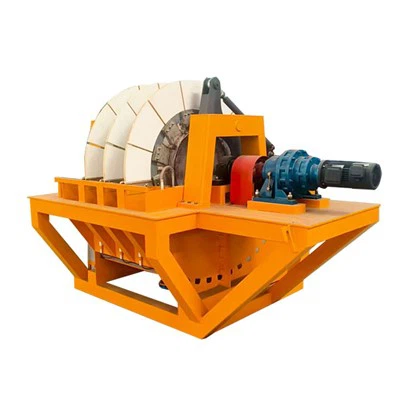
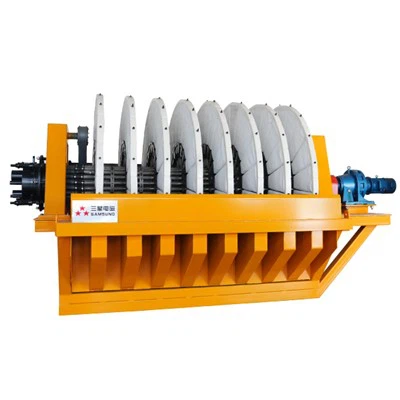
As a supplier of Permanent Roll Magnetic Separators, I understand the critical importance of maintaining detailed and accurate records for these essential pieces of equipment. Proper maintenance records not only ensure the longevity and optimal performance of the separator but also play a vital role in regulatory compliance, safety, and cost - effectiveness. In this blog, I will discuss the key maintenance records that should be kept for a Permanent Roll Magnetic Separator.
1. Installation Records
The installation of a Permanent Roll Magnetic Separator is the first step in its lifecycle, and documenting this process is crucial. The installation records should include:
- Date of Installation: This helps in tracking the age of the equipment. Over time, certain components may be more prone to wear and tear, and knowing the installation date can assist in scheduling preventive maintenance.
- Installation Team Details: The names and contact information of the technicians who installed the separator. In case of any issues related to the installation, it is easy to reach out to them for clarification or assistance.
- Installation Location: The specific location within the facility where the separator is installed. This is important for future reference, especially when it comes to troubleshooting or relocating the equipment.
- Installation Diagram: A detailed diagram showing how the separator was installed, including its connection to other parts of the processing line. This can be extremely useful for maintenance personnel to understand the system layout.
2. Operational Records
Operational records provide valuable insights into how the Permanent Roll Magnetic Separator is being used. These records should cover:
- Operating Hours: Keeping track of the total number of hours the separator has been in operation. This data can be used to predict when components may need to be replaced based on their expected service life. For example, if a certain bearing is rated for 10,000 operating hours, and the separator has already accumulated 9,000 hours, it may be time to plan for a replacement.
- Feed Rate and Material Characteristics: The rate at which the material is fed into the separator and the characteristics of the material, such as particle size, density, and magnetic susceptibility. Different materials may put different levels of stress on the separator, and understanding these factors can help in optimizing the operation and maintenance schedule.
- Separation Efficiency: Regularly measuring and recording the separation efficiency of the separator. This can be done by analyzing the magnetic and non - magnetic fractions of the output material. A decrease in separation efficiency may indicate a problem with the separator, such as a weakened magnetic field or a clogged screen.
3. Maintenance Schedule and Tasks
A well - defined maintenance schedule is essential for the proper functioning of the Permanent Roll Magnetic Separator. The maintenance records should include:
- Preventive Maintenance Schedule: A detailed schedule of all preventive maintenance tasks, such as lubrication, belt tension adjustment, and magnetic field strength checks. These tasks should be performed at regular intervals to prevent breakdowns and ensure long - term reliability.
- Performed Maintenance Tasks: For each maintenance task, record the date it was performed, the name of the technician who carried it out, and any observations or findings. For example, if during a lubrication task, the technician noticed an abnormal noise coming from a motor, this should be documented.
- Replacement Parts: Keep a record of all replacement parts used in the separator, including the part number, manufacturer, date of replacement, and the reason for replacement. This information can be used to track the performance of different parts and to identify any recurring issues.
4. Inspection Records
Regular inspections are an important part of maintaining a Permanent Roll Magnetic Separator. The inspection records should contain:
- Visual Inspection Results: Notes from visual inspections, such as the condition of the belts, bearings, and magnetic rolls. Look for signs of wear, damage, or misalignment. For example, if the belt is showing signs of fraying, it may need to be replaced soon.
- Magnetic Field Strength Measurements: Periodically measure and record the magnetic field strength of the separator. A decrease in magnetic field strength can significantly affect the separation efficiency. If the measured strength is below the specified level, it may be necessary to re - magnetize or replace the magnetic components.
- Electrical System Inspections: Inspect the electrical system of the separator, including wiring, switches, and motors. Record any issues such as loose connections, overheating, or electrical shorts.
5. Troubleshooting and Repair Records
When problems occur with the Permanent Roll Magnetic Separator, it is important to document the troubleshooting and repair process. These records should include:
- Problem Description: A detailed description of the problem, including when it was first noticed, any symptoms observed (such as unusual noises, vibrations, or reduced performance), and the impact on the production process.
- Troubleshooting Steps: The steps taken to diagnose the problem, including any tests or inspections performed. This information can be used to avoid repeating the same troubleshooting process in the future.
- Repair Details: If a repair was carried out, record the date of repair, the parts replaced, the cost of the repair, and any follow - up actions required.
6. Calibration Records
Calibration is necessary to ensure the accuracy and reliability of the Permanent Roll Magnetic Separator. The calibration records should have:
- Calibration Dates: The dates on which the separator was calibrated. Calibration should be performed at regular intervals to maintain the accuracy of the separation process.
- Calibration Results: The results of the calibration, including the measured values and whether they are within the acceptable range. If the calibration shows that the separator is not performing as expected, adjustments should be made and documented.
Related Products
In addition to the Permanent Roll Magnetic Separator, we also offer other high - quality magnetic separation products, such as the Flat Plate Magnetic Separator, Experimental Dry Magnetic Separator, and Permanent Magnetic Dry Drum Separator. These products are designed to meet different magnetic separation needs in various industries.
Conclusion
Maintaining comprehensive records for a Permanent Roll Magnetic Separator is essential for its efficient operation, longevity, and cost - effectiveness. By keeping detailed installation, operational, maintenance, inspection, troubleshooting, and calibration records, you can ensure that your separator is always in top - notch condition. If you are interested in purchasing a Permanent Roll Magnetic Separator or any of our other magnetic separation products, or if you have any questions about maintenance and record - keeping, please feel free to contact us for further discussion and negotiation.


References
- Magnetic Separation Handbook, published by Elsevier
- Industrial Magnetic Separation Technology, various industry research papers