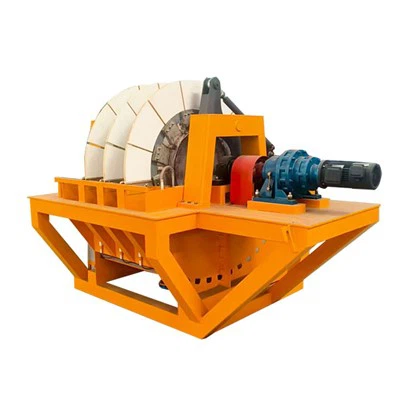
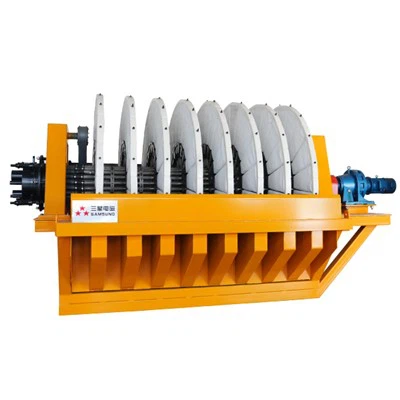
Ensuring the stability of a small vibrating screen during operation is crucial for its efficient and long - term performance. As a supplier of small vibrating screens, I have witnessed the importance of this factor in various industrial applications. In this blog, I will share some key strategies and considerations to guarantee the stable operation of small vibrating screens.
1. Proper Installation
The first step in ensuring the stability of a small vibrating screen is proper installation. A well - installed screen forms the foundation for its smooth operation.
- Level Surface: Place the small vibrating screen on a flat and level surface. Any unevenness can cause the screen to vibrate unevenly, leading to premature wear and tear of components and potential instability. Before installation, use a spirit level to check the surface and make necessary adjustments. For example, if the floor has a slight slope, shims can be used to level the screen base.
- Secure Mounting: Ensure that the screen is firmly mounted to its support structure. Use high - quality bolts and fasteners to prevent any movement during operation. Loose mounting can result in excessive vibrations, which may damage the screen and reduce its efficiency. Regularly check the tightness of the bolts, especially during the initial operation period and after any significant vibrations or impacts.
2. Balanced Vibratory Force
The vibratory force generated by the small vibrating screen must be balanced to maintain stability.
- Correct Motor Selection: Select a motor with the appropriate power and speed for the specific requirements of the small vibrating screen. An under - powered motor may not generate enough vibratory force to effectively screen the material, while an over - powered motor can cause excessive vibrations and instability. Consider factors such as the size of the screen, the type of material to be screened, and the desired throughput when choosing a motor.
- Dynamic Balancing: The vibrating mechanism, including the eccentric weights and shafts, should be dynamically balanced. Imbalanced weights can create uneven forces, leading to vibrations that can cause the screen to move or shake. Professional balancing equipment can be used to ensure that the vibratory force is evenly distributed across the screen surface. This process involves adjusting the position and mass of the eccentric weights to minimize vibrations.
3. Material Feeding
Proper material feeding is essential for the stable operation of a small vibrating screen.


- Uniform Feeding: Ensure that the material is fed onto the screen evenly. Uneven feeding can cause overloading in certain areas of the screen, leading to uneven vibrations and potential damage. Use a feeder, such as a belt feeder or a vibrating feeder, to control the flow rate and distribution of the material. The feeder should be adjusted to match the capacity of the small vibrating screen to avoid overloading.
- Appropriate Material Size and Density: The size and density of the material being screened should be within the design specifications of the small vibrating screen. Materials that are too large or too dense can put excessive stress on the screen, causing it to vibrate erratically. If necessary, pre - process the material to reduce its size or adjust the feed rate according to the material characteristics.
4. Maintenance and Inspection
Regular maintenance and inspection are vital for the long - term stability of a small vibrating screen.
- Lubrication: Proper lubrication of the moving parts, such as bearings and shafts, is essential to reduce friction and wear. Use the recommended lubricants and follow the manufacturer's guidelines for lubrication intervals. Insufficient lubrication can cause overheating and premature failure of the components, leading to instability.
- Component Inspection: Regularly inspect the screen mesh, springs, and other components for signs of wear, damage, or fatigue. Replace any worn - out or damaged parts promptly to prevent further problems. For example, a damaged screen mesh can cause uneven material flow and vibrations, while worn springs can affect the damping effect and stability of the screen.
- Cleaning: Keep the small vibrating screen clean to prevent the accumulation of material on the screen surface and in the vibrating mechanism. Material buildup can change the balance of the screen and cause uneven vibrations. Use appropriate cleaning methods, such as brushing or air blowing, to remove the debris.
5. Environmental Considerations
The operating environment can also affect the stability of a small vibrating screen.
- Temperature and Humidity: Extreme temperatures and high humidity can have a negative impact on the performance of the small vibrating screen. In high - temperature environments, the components may expand, affecting the balance and stability of the screen. In humid environments, corrosion can occur, weakening the structural integrity of the screen. Take appropriate measures, such as providing ventilation or using corrosion - resistant materials, to protect the screen from the adverse effects of the environment.
- Vibration Isolation: If the small vibrating screen is installed in an area where other equipment is also operating, vibration isolation measures should be taken to prevent interference. Use vibration - isolating pads or mounts to reduce the transmission of vibrations between the screen and the surrounding equipment. This can help maintain the stability of the small vibrating screen and prevent damage to other nearby equipment.
Product Introduction
As a supplier of small vibrating screens, we offer a wide range of products to meet different industrial needs. Our Small Vibrating Screen is designed with high - quality materials and advanced technology to ensure stable and efficient operation. In addition, we also provide Vibrating Dewatering Screen and High Frequency Vibrating Screen, which are suitable for various screening and dewatering applications.
If you are interested in our products or have any questions about ensuring the stability of small vibrating screens, please feel free to contact us for further discussion and procurement negotiation. We are committed to providing you with the best solutions and high - quality products.
References
- "Vibrating Screen Handbook" - A comprehensive guide on the design, operation, and maintenance of vibrating screens.
- Industry standards and guidelines related to the manufacturing and operation of small vibrating screens.