

As a supplier of Rotary Disc Filters, I understand the importance of a proper shutdown procedure. A well - executed shutdown not only ensures the longevity of the equipment but also maintains its performance over time. In this blog, I will walk you through the step - by - step shutdown procedure for a Rotary Disc Filter.
Step 1: Stop the Feed
The first and most crucial step in shutting down a Rotary Disc Filter is to stop the feed of the slurry or the material that is being filtered. This is essential because continuing to feed the filter during the shutdown process can lead to clogging and damage to the filter discs.
When you stop the feed, make sure to close the appropriate valves or switches that control the flow of the slurry. This will prevent any additional material from entering the filter chamber. It is also a good practice to check the feed line for any residual material and flush it if necessary. This can be done by using a small amount of clean water to push out any remaining slurry.
Step 2: Reduce the Vacuum
Once the feed has been stopped, the next step is to gradually reduce the vacuum. The vacuum is what draws the liquid through the filter discs and separates it from the solids. A sudden reduction in vacuum can cause the filter cake to crack or break, which can lead to poor filtration efficiency in the future.
To reduce the vacuum, you can adjust the vacuum pump settings. Start by slowly turning down the vacuum level, allowing the system to adjust gradually. Monitor the pressure gauge on the vacuum pump to ensure that the reduction is smooth. It is recommended to reduce the vacuum to a very low level, but not completely off at this stage.
Step 3: Stop the Rotation
After reducing the vacuum, it is time to stop the rotation of the filter discs. The rotation of the discs helps in evenly distributing the filter cake and maintaining a consistent filtration process. Stopping the rotation abruptly can cause uneven wear on the discs and may also lead to the formation of a hard and difficult - to - remove filter cake.
To stop the rotation, turn off the motor that drives the disc rotation. You can usually do this by using a control switch located on the filter's control panel. Make sure to wait until the discs come to a complete stop before proceeding to the next step.
Step 4: Drain the Filter Chamber
Once the rotation has stopped, the next step is to drain the filter chamber. This involves removing any remaining liquid in the chamber. You can do this by opening the drain valves at the bottom of the filter chamber.
As the liquid drains out, it is important to observe the color and consistency of the drained liquid. This can give you an indication of the filtration efficiency and whether there are any signs of problems such as leaks or clogging. If the drained liquid contains a large amount of solids, it may be necessary to perform additional cleaning steps.
Step 5: Clean the Filter Discs
Cleaning the filter discs is a vital part of the shutdown procedure. Over time, solids can accumulate on the surface of the filter discs, reducing their filtration efficiency. There are several methods for cleaning the filter discs, and the choice of method depends on the type of material being filtered.
One common method is backwashing. Backwashing involves reversing the flow of liquid through the filter discs. This can be achieved by using a backwash pump and a system of valves. The backwash liquid should be clean water or a suitable cleaning solution. The backwashing process helps to dislodge the solids from the filter discs and flush them out of the system.
Another method is chemical cleaning. If the filter cake is particularly stubborn or contains substances that are difficult to remove with water alone, a chemical cleaning solution may be required. However, it is important to use the appropriate chemicals and follow the manufacturer's instructions carefully to avoid damaging the filter discs.
Step 6: Turn Off the Vacuum Pump
After cleaning the filter discs and draining the chamber, it is time to turn off the vacuum pump completely. This can be done by switching off the power supply to the vacuum pump. Make sure to follow the safety procedures for turning off electrical equipment, such as wearing appropriate protective gear and using insulated tools.
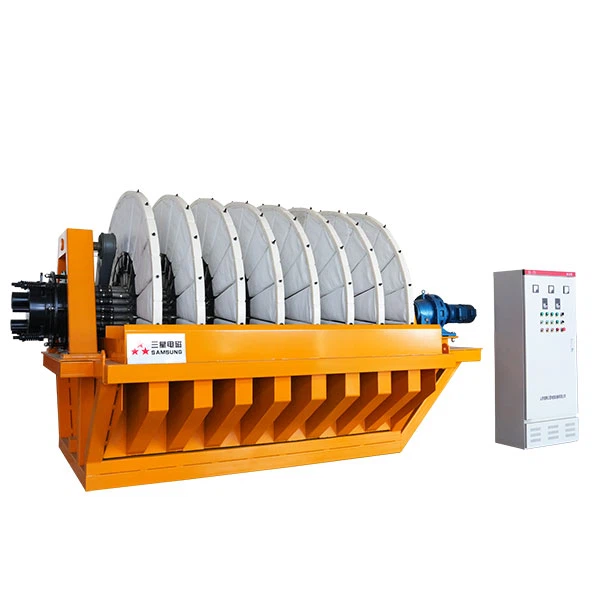

Step 7: Perform a Final Inspection
Once all the above steps have been completed, it is essential to perform a final inspection of the Rotary Disc Filter. Check for any signs of damage, leaks, or wear on the filter discs, valves, and other components. Inspect the seals and gaskets to ensure that they are in good condition.
If any issues are detected during the inspection, it is important to address them immediately. This may involve replacing damaged parts, tightening loose connections, or performing additional maintenance tasks.
Comparison with Other Filter Types
While the Rotary Disc Filter is a popular choice for many filtration applications, it is worth comparing it with other types of filters such as the Ceramic Disc Filter and the Disc Vacuum Filter.
The Ceramic Disc Filter uses ceramic discs, which offer high filtration precision and are suitable for filtering fine particles. However, the shutdown procedure for a Ceramic Disc Filter may involve more complex cleaning steps due to the nature of the ceramic material.
The Disc Vacuum Filter, on the other hand, operates on a similar principle to the Rotary Disc Filter but may have different design features. The shutdown procedure for a Disc Vacuum Filter also shares some similarities with the Rotary Disc Filter, but there may be differences in the way the vacuum is controlled and the filter discs are cleaned.
Conclusion
In conclusion, a proper shutdown procedure for a Rotary Disc Filter is essential for its long - term performance and reliability. By following the steps outlined above, you can ensure that your filter is well - maintained and ready for the next operation.
If you are in the market for a high - quality Rotary Disc Filter, or if you have any questions about the shutdown procedure or the operation of the filter, feel free to contact us. Our team of experts is always ready to assist you with your filtration needs and guide you through the procurement process. We can provide you with detailed information about our products, their specifications, and how they can be customized to meet your specific requirements.
References
- "Filtration Handbook", Fourth Edition, by Christopher D. Dickenson.
- Manufacturer's Manual for Rotary Disc Filters.
