Hey there! As a supplier of permanent magnet magnetic separators, I often get asked about the noise level of these machines during operation. It's a valid concern, especially if you're looking to integrate one into a workspace where noise could be an issue. So, let's dive right in and explore what the noise situation is like with permanent magnet magnetic separators.
First off, it's important to understand that the noise level of a permanent magnet magnetic separator can vary depending on several factors. These include the type of separator, its size, the materials it's processing, and how it's installed.
Let's start with the different types of permanent magnet magnetic separators. We've got a few popular ones in the market, like the Experimental Flat Plate Magnetic Separator. This type is often used in research and small - scale operations. Generally, it's relatively quiet because it doesn't have a lot of moving parts. The main source of noise might come from the conveyor belt (if it has one) moving the materials over the magnetic plate. But overall, the noise level is usually in the range of 50 - 60 decibels (dB). To put that into perspective, normal conversation is around 60 dB, so it's not going to be overly disruptive.
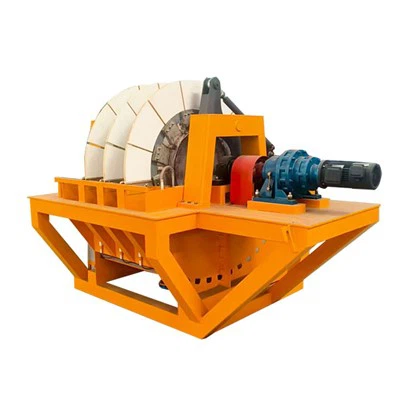
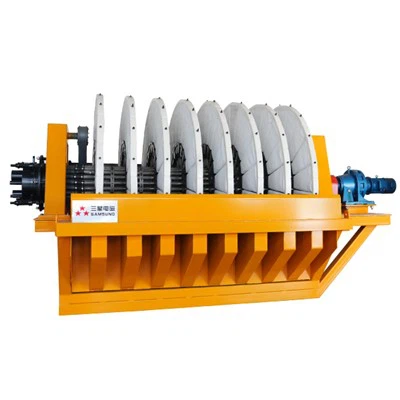
Another type is the Dry Magnetic Ring Magnetic Separator. This one is used for dry separation processes. It has a rotating magnetic ring, which is the main source of noise. The rotation of the ring against the housing and the movement of the materials being separated can generate some noise. On average, the noise level of a dry magnetic ring magnetic separator can be around 65 - 75 dB. That's a bit louder than normal conversation, but still within an acceptable range for many industrial settings.
Then there's the Permanent Pulley Magnetic Separator. These are commonly used in conveyor systems to remove ferrous contaminants from bulk materials. The pulley rotates, and the friction between the pulley and the belt, as well as the interaction with the materials, can create noise. The noise level of a permanent pulley magnetic separator typically falls between 70 - 80 dB. This is getting into the range where hearing protection might be a good idea if you're going to be around it for long periods.
Now, the size of the separator also plays a role. Larger separators usually have more powerful motors and larger moving parts, which can generate more noise. For example, a big industrial - scale permanent magnet magnetic separator might have a noise level that's 10 - 15 dB higher than a smaller, lab - scale version.
The materials being processed can also affect the noise level. If the materials are abrasive or have a lot of hard particles, they can cause more friction and wear on the moving parts of the separator, leading to increased noise. On the other hand, if the materials are soft and smooth, the noise level might be a bit lower.
Installation is another key factor. A poorly installed separator can vibrate more, which in turn increases the noise level. Make sure the separator is properly mounted on a stable surface and that all the connections are tight. Using vibration - damping pads can also help reduce the noise transmitted to the surrounding area.
So, how can you deal with the noise if it's a problem? Well, there are a few options. One is to use sound - absorbing materials around the separator. You can line the walls of the area where the separator is located with acoustic panels. These panels can absorb a significant amount of the sound waves and reduce the overall noise level in the room.


Another option is to install a noise enclosure around the separator. This is a more expensive solution but can be very effective. A well - designed noise enclosure can reduce the noise level by 20 - 30 dB, bringing it down to a much more acceptable level.
If you're in the market for a permanent magnet magnetic separator and noise is a concern, don't worry. We can work with you to find the right solution. We can recommend the type of separator that will have the lowest noise level for your specific application. And if needed, we can also provide advice on noise - reduction measures.
Whether you're running a small research lab or a large industrial plant, we've got the expertise to help you choose the best permanent magnet magnetic separator. If you're interested in learning more about our products or have any questions about noise levels or other aspects of our separators, don't hesitate to reach out. We're here to assist you in making the right decision for your business.
References
- Industrial Noise Control Handbook, Third Edition
- Magnetic Separation Technology: Principles, Devices and Applications