The filtration process is a critical operation in various industries, including mining, chemical, and food processing. As a supplier of Ceramic Disc Filters, I have witnessed firsthand the importance of understanding the factors that influence filtration performance. One such factor that often goes unnoticed but can have a significant impact is the filtration temperature. In this blog post, I will explore the effect of filtration temperature on the viscosity of the filtered liquid and the overall filtration performance.
The Relationship Between Filtration Temperature and Viscosity
Viscosity is a measure of a fluid's resistance to flow. It plays a crucial role in the filtration process because it affects the rate at which the liquid can pass through the filter medium. Generally, as the temperature of a liquid increases, its viscosity decreases. This is due to the increased kinetic energy of the molecules, which allows them to move more freely and reduces the internal friction within the fluid.
In the context of filtration, a lower viscosity means that the liquid can flow more easily through the pores of the filter medium. This results in a higher filtration rate, as more liquid can pass through the filter in a given amount of time. Conversely, a higher viscosity can impede the flow of the liquid, leading to a lower filtration rate and potentially causing clogging of the filter medium.
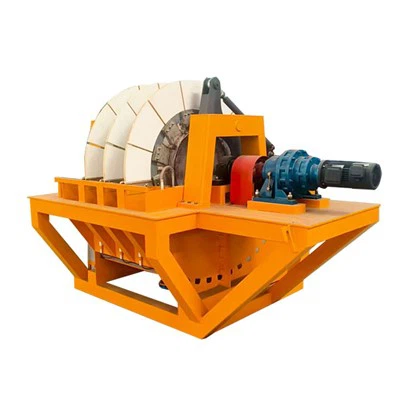
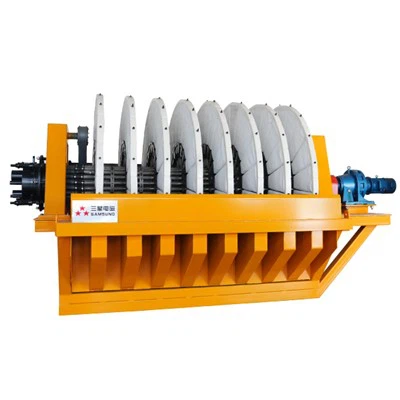
Let's take a closer look at how this relationship applies to the Ceramic Disc Filters we supply. These filters are designed to separate solids from liquids using a ceramic filter medium with microscopic pores. The efficiency of the filtration process depends on the ability of the liquid to penetrate these pores and carry the solids to the surface of the filter. When the filtration temperature is too low, the viscosity of the liquid increases, making it more difficult for the liquid to flow through the pores. This can lead to a decrease in the filtration rate and an increase in the pressure drop across the filter.
On the other hand, when the filtration temperature is too high, the viscosity of the liquid decreases significantly. While this may initially seem beneficial for filtration, it can also have some drawbacks. For example, a very low viscosity can cause the liquid to flow too quickly through the filter, resulting in poor separation efficiency. Additionally, high temperatures can cause thermal degradation of the filter medium or the filtered liquid, which can affect the quality of the filtrate and the lifespan of the filter.
Impact on Filtration Performance
The effect of filtration temperature on viscosity has a direct impact on the overall filtration performance. Here are some key aspects to consider:
Filtration Rate
As mentioned earlier, the filtration rate is directly related to the viscosity of the filtered liquid. A lower viscosity allows for a higher filtration rate, which means that more liquid can be processed in a shorter period. This is particularly important in industries where large volumes of liquid need to be filtered, such as mining and chemical processing. By optimizing the filtration temperature to reduce the viscosity of the liquid, we can significantly improve the productivity of the filtration process.
Cake Formation
During the filtration process, solids accumulate on the surface of the filter medium, forming a cake. The properties of this cake, such as its thickness, porosity, and moisture content, can have a significant impact on the filtration performance. The viscosity of the liquid affects the way the solids are deposited on the filter medium and the structure of the cake.
When the viscosity is too high, the solids may not be able to settle evenly on the filter medium, resulting in a non-uniform cake. This can lead to uneven flow distribution and reduced filtration efficiency. On the other hand, when the viscosity is too low, the solids may not form a stable cake, and some may pass through the filter, reducing the quality of the filtrate.
Filter Medium Lifespan
The filtration temperature can also affect the lifespan of the filter medium. High temperatures can cause thermal expansion and contraction of the filter medium, which can lead to cracking and damage over time. Additionally, some filter media may be more susceptible to chemical degradation at high temperatures, which can reduce their effectiveness and durability.
By maintaining the filtration temperature within an optimal range, we can minimize the stress on the filter medium and extend its lifespan. This not only reduces the cost of filter replacement but also ensures consistent filtration performance over time.
Case Studies and Examples
To illustrate the importance of filtration temperature on viscosity and filtration performance, let's consider a few case studies from our customers.
Mining Industry
In a mining operation, a company was using our Ceramic Disc Filters to separate fine minerals from a slurry. Initially, they were experiencing low filtration rates and high moisture content in the filter cake. After analyzing the process, we discovered that the filtration temperature was too low, resulting in a high viscosity of the slurry.
By increasing the filtration temperature by a few degrees, the viscosity of the slurry decreased significantly. This led to a substantial increase in the filtration rate and a reduction in the moisture content of the filter cake. The company was able to improve their productivity and reduce their operating costs as a result.
Chemical Industry
A chemical company was using our filters to purify a liquid chemical product. They were facing issues with clogging of the filter medium and poor filtration efficiency. Upon investigation, we found that the filtration temperature was too high, causing the chemical to degrade and form deposits on the filter medium.
By adjusting the filtration temperature to a more suitable level, the viscosity of the chemical was optimized, and the degradation was minimized. This resulted in a significant improvement in the filtration performance, with fewer clogs and a higher quality filtrate.
Optimizing Filtration Temperature
So, how can we optimize the filtration temperature to achieve the best results? Here are some tips:


Conduct a Temperature Analysis
Before starting the filtration process, it is important to conduct a temperature analysis of the filtered liquid. This will help you determine the optimal temperature range for the filtration process based on the properties of the liquid and the filter medium.
Use Temperature Control Systems
To maintain the filtration temperature within the optimal range, it is recommended to use temperature control systems. These systems can monitor and adjust the temperature of the filtered liquid in real-time, ensuring consistent filtration performance.
Consider the Impact on Other Factors
When adjusting the filtration temperature, it is important to consider the impact on other factors, such as the chemical stability of the filtered liquid and the lifespan of the filter medium. Make sure to choose a temperature that balances the benefits of reduced viscosity with the potential drawbacks.
Conclusion
In conclusion, the filtration temperature has a significant impact on the viscosity of the filtered liquid and the overall filtration performance. By understanding the relationship between temperature and viscosity, we can optimize the filtration process to improve productivity, reduce costs, and ensure high-quality filtrate.
As a supplier of Ceramic Disc Filters, we are committed to helping our customers achieve the best filtration results. If you are interested in learning more about how our filters can be optimized for your specific application or have any questions about the filtration process, please feel free to [contact us for a procurement discussion]. We would be happy to assist you in finding the right solution for your needs.
References
- Perry, R. H., & Green, D. W. (Eds.). (2008). Perry's Chemical Engineers' Handbook. McGraw-Hill.
- Svarovsky, L. (1990). Solid-Liquid Separation. Butterworth-Heinemann.
- Wakeman, R. J., & Tarleton, E. S. (2005). Solid/Liquid Filtration and Separation Technology. Wiley-VCH.