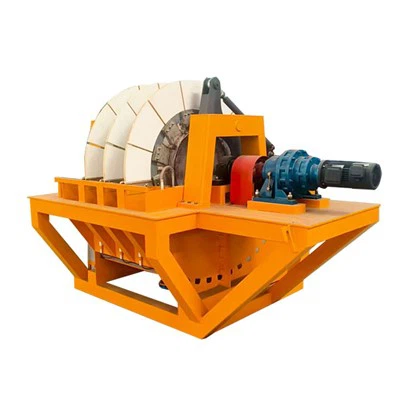
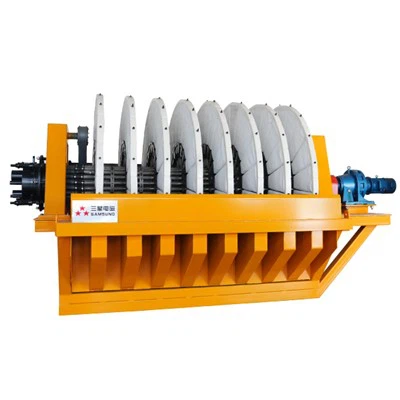
Hey there! As a supplier of RCDB Dry Electromagnetic Separators, I often get asked about the difference between dry and wet electromagnetic separators. So, I thought I'd write this blog to break it down for you.
How They Work
Let's start with the basics - how these separators work. Both dry and wet electromagnetic separators use magnetic fields to separate magnetic materials from non - magnetic ones. But the way they handle the materials is quite different.
RCDB Dry Electromagnetic Separator
The RCDB Dry Electromagnetic Separator is designed to work with dry materials. It's great for industries where the material is in a granular or powder form and doesn't need to be in a liquid medium. The separator has a powerful electromagnet that creates a magnetic field. When the dry material passes through this magnetic field, the magnetic particles are attracted to the magnet and are separated from the non - magnetic ones.
For example, in the mining industry, when you're dealing with dry ore that contains magnetic minerals like iron ore, the RCDB Dry Electromagnetic Separator can quickly and efficiently separate the iron particles from the rest of the ore. It's also used in recycling plants to separate ferrous metals from non - ferrous materials like plastics and glass.
You can check out our Electromagnetic Suspended Separator for more information on related products.
Wet Electromagnetic Separator
On the other hand, wet electromagnetic separators are used when the material is in a slurry form. The material is mixed with water to create a liquid suspension. The separator then uses a magnetic field to attract the magnetic particles in the slurry.
In the wet separation process, the slurry is fed into the separator, and as it flows through the magnetic field, the magnetic particles stick to the magnet. The non - magnetic particles continue to flow with the liquid and are collected separately. This type of separator is commonly used in industries like mineral processing, where the ore needs to be finely ground and mixed with water before separation.
Performance in Different Situations
Efficiency
The efficiency of these two types of separators can vary depending on the material and the application.
The RCDB Dry Electromagnetic Separator is highly efficient when dealing with dry materials. Since the material is dry, there's no interference from water, and the magnetic particles can be easily attracted to the magnet. It can handle a large volume of dry material in a relatively short time.
However, wet electromagnetic separators can be more efficient when dealing with very fine magnetic particles. The water in the slurry helps to disperse the particles, making it easier for the magnetic field to act on them. In some cases, wet separators can achieve a higher degree of separation for fine - grained magnetic materials.
Separation Precision
When it comes to separation precision, both have their advantages.
The dry separator can provide a relatively high level of precision for larger magnetic particles. It can clearly distinguish between magnetic and non - magnetic materials in dry conditions. But for very fine particles, there might be some challenges due to the possibility of agglomeration of dry particles.
Wet separators, as mentioned earlier, are better at handling fine particles. The water medium allows for better particle dispersion, and the magnetic field can act more precisely on individual particles. This results in a more accurate separation of magnetic and non - magnetic materials, especially for fine - grained substances.
Maintenance and Operation
Maintenance
Maintenance requirements for these two types of separators are also different.
The RCDB Dry Electromagnetic Separator is generally easier to maintain. Since there's no water involved, there's no risk of rusting or corrosion caused by water. The main maintenance tasks include checking the electrical connections of the electromagnet, cleaning the magnetic poles to remove any accumulated magnetic particles, and inspecting the mechanical parts for wear and tear.
Wet electromagnetic separators, however, require more maintenance. The presence of water means there's a higher risk of corrosion. The internal parts of the separator, such as the pipes and the magnetic poles, need to be regularly inspected for signs of rust. Also, the water used in the process needs to be properly treated to prevent the build - up of scale and other contaminants that could affect the performance of the separator.
Operation
In terms of operation, the dry separator is simpler. You just need to feed the dry material into the separator, and the magnetic field does the rest. There's no need to deal with the complexities of creating and managing a slurry.
Wet separators require more steps. You first need to prepare the slurry by mixing the material with water in the right proportion. Then, you need to control the flow rate of the slurry through the separator. This involves adjusting pumps and valves to ensure a smooth and efficient operation.


Cost Considerations
Initial Investment
The initial investment for these two types of separators can vary.
The RCDB Dry Electromagnetic Separator usually has a lower initial cost. It doesn't require additional equipment for slurry preparation, such as mixing tanks and pumps. The design of the dry separator is relatively straightforward, which also contributes to a lower manufacturing cost.
Wet electromagnetic separators are generally more expensive. You need to invest in equipment for slurry preparation, as well as water treatment systems if necessary. The overall system for a wet separator is more complex, which leads to a higher initial investment.
Operating Costs
Operating costs also differ between the two.
The dry separator has lower operating costs in terms of energy consumption. Since there's no need to pump water or maintain a slurry system, the energy required to run the separator is relatively low. Additionally, there are no costs associated with water treatment and slurry management.
Wet separators consume more energy due to the need to pump the slurry and operate the water treatment system. The cost of water and water treatment chemicals also adds to the operating expenses.
Applications
Industries
The RCDB Dry Electromagnetic Separator is widely used in industries such as mining (for dry ore separation), recycling (separating ferrous metals from dry waste), and the food industry (removing small magnetic particles from dry food products).
Wet electromagnetic separators are mainly used in industries like mineral processing (for separating fine - grained magnetic minerals from slurries), the ceramics industry (removing iron impurities from clay slurries), and the chemical industry (separating magnetic catalysts from liquid reaction mixtures).
You can explore our Electromagnetic Suspended Separator for Conveyor which can be used in some of these applications. And if you're interested in a more integrated solution, our Electromagnetic Vibrating Feeder with Separator might be what you need.
Conclusion
In conclusion, the RCDB Dry Electromagnetic Separator and wet electromagnetic separators have their own unique features, advantages, and disadvantages. The choice between the two depends on the nature of the material, the required separation efficiency and precision, maintenance capabilities, and cost considerations.
If you're dealing with dry materials and want a simple, easy - to - maintain, and cost - effective solution, the RCDB Dry Electromagnetic Separator is a great choice. On the other hand, if you're working with fine - grained materials in a slurry form and need a high - precision separation, a wet electromagnetic separator might be more suitable.
If you're interested in learning more about our RCDB Dry Electromagnetic Separators or have any questions about which type of separator is right for your application, feel free to get in touch with us. We're here to help you make the best decision for your business.
References
- Mineral Processing Technology: An Introduction to the Practical Aspects of Ore Treatment and Mineral Recovery by Barry A. Wills and Tim Napier - Munn.
- Handbook of Magnetic Separation by Y. K. Mishra.