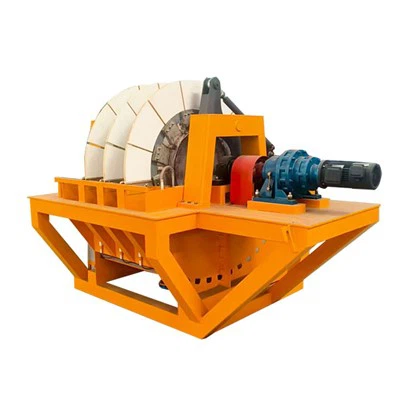
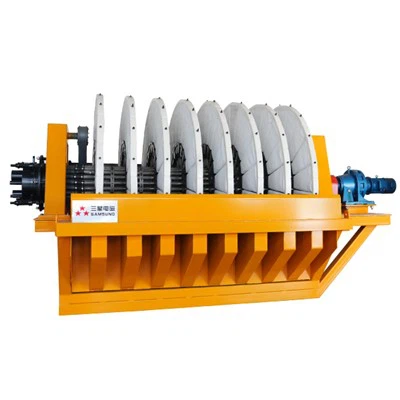
As a reputable supplier of Electromagnetic Belt Separators, I often encounter inquiries from customers regarding the noise levels of our equipment during operation. Understanding the noise levels is crucial for various reasons, including workplace safety, environmental compliance, and overall user experience. In this blog post, I will delve into the factors that influence the noise levels of an Electromagnetic Belt Separator, how we measure and control these levels, and what you can expect when using our products.
Factors Influencing Noise Levels
The noise generated by an Electromagnetic Belt Separator during operation can be attributed to several factors. One of the primary sources of noise is the mechanical components of the separator. The motor, gearbox, and conveyor belt all contribute to the overall noise output. The motor, in particular, can produce a significant amount of noise, especially if it is operating at high speeds or under heavy loads. The gearbox, which is responsible for transmitting power from the motor to the conveyor belt, can also generate noise due to the meshing of gears.
Another factor that can influence the noise levels is the magnetic field generated by the separator. The magnetic field can cause vibrations in the surrounding metal components, which can result in audible noise. The strength of the magnetic field, the design of the separator, and the materials used in its construction can all affect the level of noise generated by the magnetic field.
The operating conditions of the separator can also play a role in the noise levels. For example, if the separator is operating in a dusty or dirty environment, the dust and debris can accumulate on the moving parts, causing increased friction and noise. Additionally, the speed at which the conveyor belt is moving can affect the noise levels. Higher speeds generally result in more noise, as the moving parts are subjected to greater forces and vibrations.
Measuring Noise Levels
To ensure that our Electromagnetic Belt Separators meet the required noise standards, we conduct thorough testing using specialized equipment. We measure the noise levels at various points around the separator, including the operator's position, to get a comprehensive understanding of the noise profile. The measurements are taken in accordance with international standards, such as ISO 11201, which specifies the method for measuring the emission sound pressure levels of machinery and equipment.
During the testing process, we also take into account the background noise in the testing environment. This is important because the background noise can affect the accuracy of the measurements. We use noise-canceling techniques to minimize the impact of the background noise and ensure that the measurements are as accurate as possible.
Controlling Noise Levels
At our company, we are committed to minimizing the noise levels of our Electromagnetic Belt Separators. We employ several strategies to achieve this goal. One of the key strategies is to use high-quality components in the construction of our separators. By using components that are designed to operate quietly, we can reduce the overall noise output of the separator.
We also pay close attention to the design of our separators. Our engineers use advanced computer-aided design (CAD) software to optimize the design of the separator, taking into account factors such as the layout of the components, the materials used, and the airflow within the separator. By optimizing the design, we can reduce the vibrations and noise generated by the separator.
In addition to using high-quality components and optimizing the design, we also implement noise-reducing measures during the manufacturing process. For example, we use vibration-damping materials to isolate the moving parts from the surrounding structure, which helps to reduce the transmission of vibrations and noise. We also apply soundproofing materials to the exterior of the separator to further reduce the noise levels.
Noise Levels of Our Electromagnetic Belt Separators
The noise levels of our Electromagnetic Belt Separators vary depending on the model and the operating conditions. However, we have designed our separators to operate as quietly as possible, and we strive to keep the noise levels within the acceptable limits set by international standards.
On average, the noise levels of our Electromagnetic Belt Separators range from 60 to 80 decibels (dB) at the operator's position. This is comparable to the noise levels of a normal conversation or a household appliance. However, it is important to note that the noise levels can vary depending on the specific model and the operating conditions.


Benefits of Low Noise Levels
There are several benefits to using an Electromagnetic Belt Separator with low noise levels. One of the main benefits is improved workplace safety. High noise levels can cause hearing damage and other health problems for workers, especially if they are exposed to the noise for extended periods of time. By using a separator with low noise levels, we can help to protect the health and safety of our customers' employees.
Low noise levels also contribute to a more comfortable and productive work environment. Excessive noise can be distracting and can reduce the efficiency of workers. By providing a quiet working environment, we can help our customers to improve the productivity of their operations.
In addition to the workplace benefits, low noise levels also have environmental advantages. Noise pollution is a growing concern in many industrial areas, and using equipment with low noise levels can help to reduce the impact on the surrounding environment. This can be particularly important for companies that are located in residential areas or near sensitive ecosystems.
Conclusion
In conclusion, the noise levels of an Electromagnetic Belt Separator during operation are influenced by several factors, including the mechanical components, the magnetic field, and the operating conditions. At our company, we are committed to minimizing the noise levels of our separators through the use of high-quality components, optimized design, and noise-reducing measures. Our Electromagnetic Belt Separators are designed to operate quietly, with noise levels that are comparable to normal conversation or household appliances.
If you are interested in learning more about our Electromagnetic Belt Separator or other magnetic separation equipment, such as the RCDD Dry Self-unloading Electromagnetic Separator or the Electromagnetic Overband Separator, please feel free to contact us. Our team of experts will be happy to assist you with your specific requirements and provide you with detailed information about our products.
References
- ISO 11201:2010. Acoustics - Noise emitted by machinery and equipment - Measurement of emission sound pressure levels at a work station and at other specified positions.