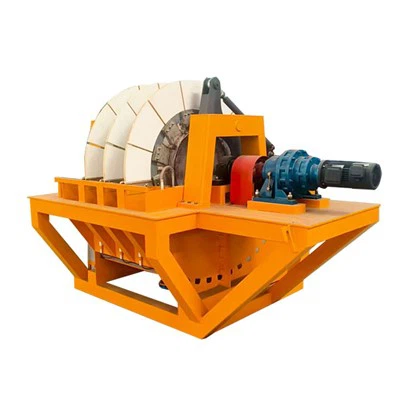
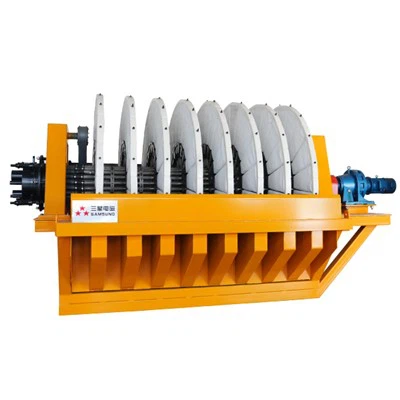
In the realm of industrial machinery, electromagnetic magnetic separators play a pivotal role in various sectors, including mining, recycling, food processing, and chemical industries. These separators are designed to remove ferrous and other magnetic contaminants from non - magnetic materials, ensuring product purity and protecting downstream equipment. As a leading supplier of electromagnetic magnetic separators, we are constantly at the forefront of technological advancements in this field. In this blog, we will explore the latest technologies in electromagnetic magnetic separator design.
Advanced Magnet Materials
One of the most significant advancements in electromagnetic magnetic separator design is the use of advanced magnet materials. Traditional separators often relied on ferrite magnets, which had limited magnetic strength. However, the development of rare - earth magnets, such as neodymium - iron - boron (NdFeB), has revolutionized the industry.
NdFeB magnets offer extremely high magnetic energy density, which means they can generate a much stronger magnetic field compared to ferrite magnets. This increased magnetic strength allows for more efficient separation of even the smallest and weakly magnetic particles. For instance, in the mining industry, where separating fine iron ore particles from gangue is crucial, NdFeB - based electromagnetic separators can achieve a higher grade of concentrate.
Another advantage of these advanced magnet materials is their stability. They are less prone to demagnetization over time, ensuring a consistent performance of the separator throughout its lifespan. This reliability is especially important in continuous industrial processes where any interruption due to a loss of magnetic strength can lead to significant production losses.
Intelligent Control Systems
Modern electromagnetic magnetic separators are increasingly equipped with intelligent control systems. These systems use sensors and advanced algorithms to optimize the separator's performance. For example, sensors can monitor the magnetic field strength, the flow rate of the material being processed, and the temperature of the separator.
Based on the data collected by these sensors, the control system can automatically adjust the operating parameters of the separator. If the flow rate of the material increases, the control system can increase the magnetic field strength to ensure effective separation. Similarly, if the temperature of the separator rises above a certain threshold, the system can reduce the power input to prevent overheating and damage to the magnets.
Intelligent control systems also offer remote monitoring and diagnostic capabilities. Using internet - of - things (IoT) technology, operators can access the separator's data and control its functions from a remote location. This allows for real - time troubleshooting and preventive maintenance, reducing downtime and improving overall productivity. For example, if a fault is detected in the separator, the system can send an alert to the operator's mobile device, who can then take appropriate action without having to be physically present at the site.
Enhanced Design for Ease of Maintenance
Maintenance is a critical aspect of any industrial equipment, and electromagnetic magnetic separators are no exception. The latest designs focus on making the separators easier to maintain. For example, many modern separators feature modular construction. This means that individual components of the separator, such as the magnet assembly, the conveyor belt, and the control panel, can be easily removed and replaced.
In addition, easy - access panels are designed to provide quick access to internal components for inspection and cleaning. This reduces the time and effort required for maintenance, minimizing production disruptions. For instance, in a food processing plant, where hygiene is of utmost importance, a separator with easy - to - clean components can be quickly sanitized between production runs to prevent cross - contamination.
Some separators also come with self - cleaning mechanisms. These mechanisms use brushes or air jets to remove the collected magnetic contaminants from the separator's surface. This not only reduces the manual cleaning effort but also ensures that the separator maintains its efficiency over time.
Improved Cooling Technologies
Electromagnetic separators generate heat during operation, especially when they are operating at high power levels. Excessive heat can degrade the performance of the magnets and reduce the lifespan of the separator. To address this issue, the latest designs incorporate improved cooling technologies.
One common cooling method is water - cooling. Water - cooled electromagnetic separators use a water - circulation system to remove heat from the separator. The water absorbs the heat generated by the magnets and is then cooled in a heat exchanger before being recirculated. This method is highly efficient in dissipating heat and can maintain the separator's temperature within a safe operating range even under heavy - duty conditions.
Another approach is the use of forced - air cooling. In this method, fans are used to blow air over the separator's components to remove heat. Forced - air cooling is relatively simple and cost - effective, making it suitable for smaller separators or applications where water - cooling is not feasible.
Specific Separator Types and Their Technological Advancements
Electromagnetic Belt Separator
The Electromagnetic Belt Separator is a widely used type of electromagnetic separator. Recent technological advancements in this type of separator include the use of high - strength conveyor belts. These belts are designed to withstand the high magnetic forces and the abrasive nature of the materials being processed.
The belt speed control has also been improved. With the intelligent control systems mentioned earlier, the belt speed can be adjusted according to the characteristics of the material and the separation requirements. This ensures that the material spends an optimal amount of time in the magnetic field for effective separation.


Electromagnetic Overband Separator
The Electromagnetic Overband Separator is typically used to remove ferrous contaminants from a conveyor belt carrying non - magnetic materials. In recent designs, the overband separator's magnetic field distribution has been optimized. Using advanced magnetic circuit design techniques, the magnetic field can be concentrated in the area where the material passes, increasing the separation efficiency.
The mounting and adjustment mechanisms of the overband separator have also been made more user - friendly. Operators can easily adjust the height and angle of the separator to achieve the best separation results for different types of materials and conveyor belt configurations.
Electromagnetic Vibrating Feeder with Separator
The Electromagnetic Vibrating Feeder with Separator combines the functions of a feeder and a separator. The latest technology in this type of equipment focuses on improving the vibration control. Precise vibration control ensures a uniform flow of the material onto the separator, which is essential for efficient separation.
In addition, the integration of the feeder and the separator has been enhanced. The magnetic field of the separator can be synchronized with the vibration of the feeder to ensure that the magnetic particles are effectively captured as the material moves along the feeder.
Conclusion
The latest technologies in electromagnetic magnetic separator design offer significant improvements in performance, efficiency, and reliability. Advanced magnet materials, intelligent control systems, enhanced maintenance features, improved cooling technologies, and specific design improvements for different types of separators are all contributing to the evolution of this important industrial equipment.
As a supplier of electromagnetic magnetic separators, we are committed to providing our customers with the most advanced and high - quality products. Our separators are designed to meet the diverse needs of various industries, from mining to food processing. If you are looking for a reliable electromagnetic magnetic separator solution for your business, we invite you to contact us for a detailed discussion about your requirements. Our team of experts will be happy to assist you in selecting the most suitable separator and providing you with comprehensive after - sales support.
References
- "Handbook of Magnetic Separation" by E. F. O'Connor
- "Industrial Magnetism: Principles and Applications" by R. J. Parker
- Research papers on electromagnetic separator technologies published in journals such as "Minerals Engineering" and "Separation and Purification Technology"