

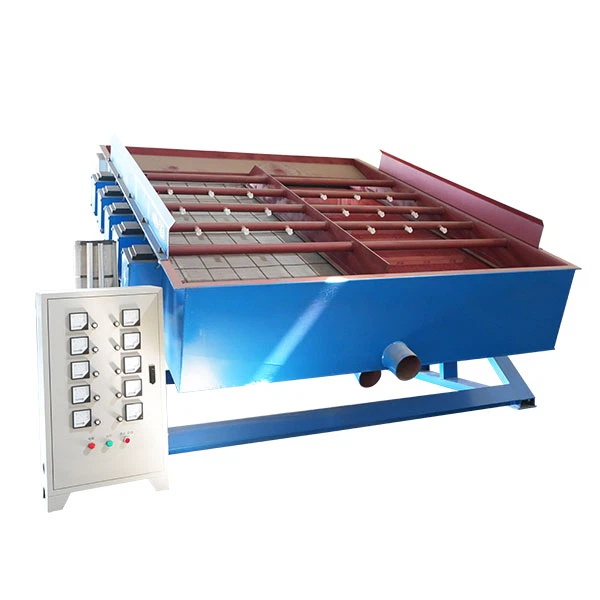
As a supplier of Small Vibrating Screens, I understand the importance of ensuring that these delicate yet essential pieces of equipment are transported safely and efficiently. In this blog post, I'll share some valuable insights on how to transport a small vibrating screen, covering everything from pre - transport preparations to the actual shipping process and post - transport checks.
Pre - transport Preparations
Inspection and Maintenance
Before any transportation, a thorough inspection of the small vibrating screen is crucial. Check for any loose parts, damaged components, or signs of wear and tear. Tighten all bolts and fasteners to prevent them from coming loose during transit. If there are any minor issues, such as a loose wire or a small crack, address them immediately. This not only ensures the safe arrival of the screen but also helps maintain its performance in the long run. For example, a loose bolt could cause the screen to vibrate unevenly during transport, leading to further damage.
Cleaning
Clean the small vibrating screen to remove any debris, dust, or residue from previous use. A clean screen is less likely to have parts jammed during transport, and it also gives a better first impression to the customer. Use appropriate cleaning agents and tools, and make sure to dry the screen thoroughly to prevent rusting.
Disassembly (if necessary)
In some cases, it may be beneficial to disassemble the small vibrating screen into smaller, more manageable parts. This can reduce the overall size and weight of the package, making it easier to handle and transport. However, this should be done carefully, following the manufacturer's instructions. Label all parts clearly and keep all the necessary hardware, such as nuts, bolts, and washers, in a separate container. For instance, if the screen has a large frame and a vibrating mechanism, disassembling them can make loading and unloading much simpler.
Packaging
Proper packaging is essential to protect the small vibrating screen during transport. Use high - quality packaging materials, such as foam padding, bubble wrap, and sturdy cardboard boxes. Place the screen or its parts in the box, ensuring that there is enough padding to absorb any shocks or vibrations during transit. If the screen is large, consider using a wooden crate for added protection. The crate should be well - constructed and secured with straps or nails.

Choosing the Right Transport Method
Road Transport
Road transport is a common choice for transporting small vibrating screens, especially for local or regional deliveries. It offers flexibility in terms of pick - up and delivery times, and it can be cost - effective for shorter distances. When choosing a road transport provider, look for a company with experience in transporting industrial equipment. Make sure the truck has a flatbed or a well - secured cargo area to prevent the screen from shifting during transit.
Air Transport
For international or long - distance deliveries, air transport can be a fast option. It reduces the transit time significantly, which is important for urgent orders. However, air transport can be more expensive, and there are usually strict weight and size restrictions. Before choosing air transport, check with the airline and the freight forwarder to ensure that the small vibrating screen meets all the requirements.
Sea Transport
If the destination is overseas and time is not a critical factor, sea transport can be a cost - effective option. It is suitable for transporting large quantities of small vibrating screens. When using sea transport, the screen should be properly packed in a shipping container to protect it from the harsh marine environment. Make sure to choose a reliable shipping line and consider purchasing insurance to cover any potential losses during transit.
Loading and Unloading
Loading
When loading the small vibrating screen onto the transport vehicle, use appropriate lifting equipment, such as forklifts or cranes. Make sure the equipment is in good working condition and that the operators are trained. Place the screen carefully on the vehicle, securing it with straps or chains to prevent it from moving. If the screen is disassembled, load the parts in an organized manner, making it easier to unload and reassemble at the destination.
Unloading
Unloading should be done as carefully as loading. Follow the same safety procedures and use the right equipment. Inspect the screen or its parts for any visible damage during unloading. If there is any damage, document it immediately and notify the transport provider and the insurance company if applicable.
Post - transport Checks
Reassembly (if disassembled)
If the small vibrating screen was disassembled for transport, reassemble it following the manufacturer's instructions. Make sure all parts are correctly installed and tightened. Check the alignment of the screen and the vibrating mechanism to ensure proper operation.
Testing
After reassembly, test the small vibrating screen to make sure it is working properly. Check the vibration frequency, amplitude, and the overall performance of the screen. If there are any issues, troubleshoot them immediately or contact the technical support team.
Types of Small Vibrating Screens
There are different types of small vibrating screens available, such as the Electromagnetic Vibrating Screen, which uses electromagnetic force to generate vibrations. This type of screen is often used for fine screening applications. Another type is the Double - layer Electromagnetic Vibrating Screen, which has two screening layers, allowing for more efficient separation. Our Small Vibrating Screen series offers a variety of options to meet different customer needs.
Conclusion
Transporting a small vibrating screen requires careful planning and attention to detail. By following the steps outlined above, from pre - transport preparations to post - transport checks, you can ensure that the screen arrives at its destination in good condition. If you are interested in purchasing a small vibrating screen or have any questions about transportation, feel free to contact us for more information. We are committed to providing high - quality products and excellent customer service.
References
- Manufacturer's manuals for small vibrating screens
- Industry best practices for transporting industrial equipment
